Living in Point Loma: Everyday Life in San Diego
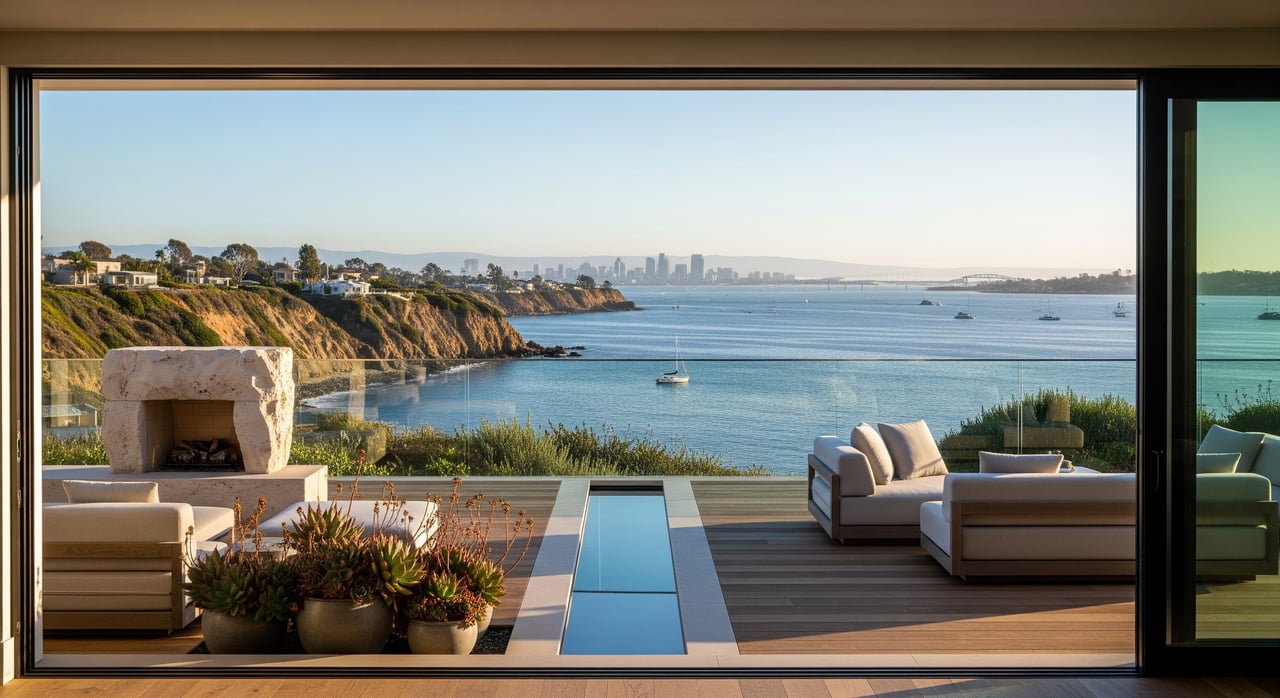
Salt air, sailboats, and golden sunsets might be your daily backdrop in Point Loma. If you’re picturing a coastal lifestyle that feels relaxed yet connected to the city, you’re in the right place. In this guide, you’ll learn what everyday life looks like on the peninsula, how the micro-neighborhoods differ, what homes typically cost, and what to consider before you buy. Let’s dive in.
Point Loma sits on a peninsula west of downtown San Diego. It is known for wide bay and ocean views, marinas and yacht clubs, and a mix of quiet residential streets with lively waterfront pockets. You’ll find historic sites, coastal parks, and a redeveloped former naval base at Liberty Station that now buzzes with dining and arts.
The climate is mild year-round with sea breezes that invite outdoor living. Microclimates are common, so waterfront areas feel cooler and breezier than spots just a bit inland. Many days revolve around walking, biking, sailing, fishing, and exploring tidepools.
Start with a coffee run in Liberty Station or along the Rosecrans and Voltaire corridors. You might walk the waterfront on Shelter Island or along Harbor Drive as sailboats head out. On weekends, stop by Liberty Station’s farmers market to pick up produce before the day gets busy.
By midday, you can handle errands, then grab lunch by the marinas. If you want a quick adventure, head to the tidepools and short trails at Cabrillo National Monument for ocean views and coastal history. It is an easy way to reset in the middle of the day.
In the afternoon, Sunset Cliffs draws walkers and surfers. The ocean-facing bluffs are dramatic, so you’ll see photographers chasing light and families watching for tidepool wildlife at low tide. If you love being on the water, sailing and fishing charters are common out of Shelter Island marinas.
Sunset is the headliner here. People gather along the western bluff to watch the sky turn pink and gold. Dinner can be casual at Liberty Station Public Market, or you can choose a waterfront spot near Shelter Island for a relaxed night out.
Liberty Station is a walkable redevelopment of the former Naval Training Center. It has restaurants, a public market, arts venues, and green spaces for picnics and dog walks. Community events and a weekend farmers market make it a natural hub for dining and family outings. Explore event calendars and businesses on the Liberty Station official site.
These residential areas feature tree-lined streets with a mix of bungalow and ranch-style homes. They feel practical for daily living and commuting. Evenings are quieter, and you’ll find small neighborhood cafes and a steady, established vibe.
This area centers on marinas, boat slips, and waterfront dining. Housing includes condo complexes and luxury single-family homes with bay views. The boating and sailing community is part of the daily rhythm, and you’ll see hospitality and visitor activity along the water.
Here you get dramatic ocean cliffs and parks with some cottages and higher-end homes perched on the bluff. It is ideal if you want daily walks with a view and quick access to tidepools. Keep in mind that bluff areas have erosion sensitivity and access restrictions in some spots.
This historic section has older homes on a traditional grid of streets. You’ll notice character architecture and proximity to the peninsula’s eastern side for quick trips toward downtown. The neighborhood has a tight-knit feel with a grounded sense of history.
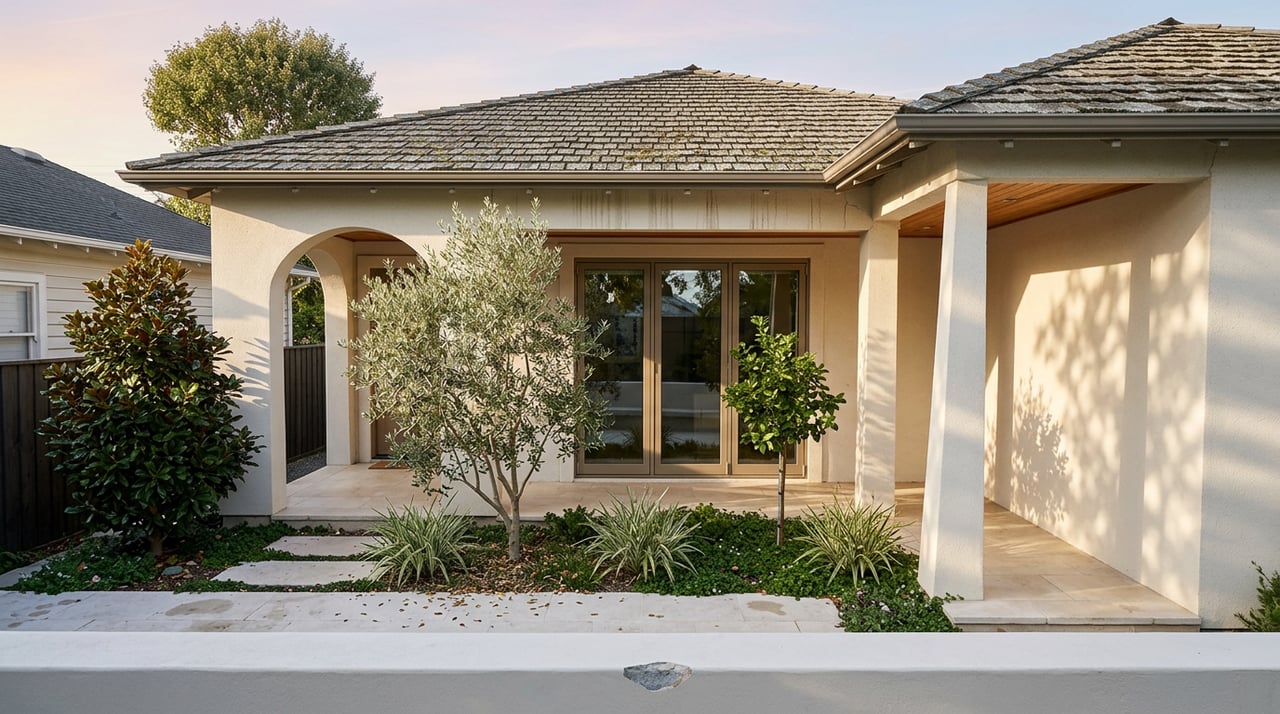
You’ll see variety across the peninsula. Many homes date to the mid-20th century and have been renovated or rebuilt. View orientation, walkability, and proximity to water tend to drive demand and pricing.
Inventory often runs tighter than inland areas. Move-in ready homes and view properties can sell quickly. Buyers should plan for coastal-home-specific costs such as higher homeowners insurance, potential flood or erosion considerations, and ongoing maintenance for salt air exposure. Exterior finishes, metal fixtures, and HVAC systems may need more attention over time.
If you are considering a condo, review HOA budgets, reserves, and any history of special assessments. In marina-adjacent buildings, monthly dues sometimes reflect more robust common-area maintenance and insurance.
Liberty Station is a popular go-to for dining, the public market, and community events. Parks, neighborhood playgrounds, and waterfront pathways offer easy outdoor time. Smaller grocery and service nodes are dispersed across the peninsula, so depending on your micro-neighborhood you may drive a short distance for full grocery runs.
Healthcare access is strong given proximity to central San Diego hospitals and urgent-care clinics nearby. Police and fire services are provided by the City of San Diego.
Noise varies by block. Areas near the airport’s flight path and along maritime corridors can experience more activity. Shelter Island and Harbor Drive can be lively on weekends.
Public schools are part of the San Diego Unified School District, and Point Loma High School is the primary public high school that serves the area. Many families describe schools in the area as well-regarded. Always verify current boundaries and program details on the San Diego Unified School District site.
Major roads include Rosecrans Street, West Point Loma Boulevard, Nimitz Boulevard, and Harbor Drive. Downtown is a short drive depending on traffic, often under 20 minutes from many parts of the peninsula. San Diego MTS bus lines serve the area, with connections to downtown and other neighborhoods. Check route options on the San Diego MTS website if you prefer not to drive.
You might feel at home in Point Loma if you want:
Point Loma strikes a middle ground. You get marina life, green spaces, and historic neighborhoods without the intensity of PB’s nightlife, and more maritime activity than inland neighborhoods.
Coastal living brings unique questions. In Sunset Cliffs and some oceanfront sections, bluffs are subject to erosion and stability concerns. Review geological disclosures with your agent and understand local regulations if you plan to add or remodel. For rules and permitting requirements, start with the City of San Diego Planning resources and the California Coastal Commission.
For flood and erosion exposure, you can check property-specific zones on the FEMA Flood Map Service Center. If you want broader context on sea-level rise and coastal planning, explore educational resources from NOAA. Insurance pricing and coverage can vary in coastal zones, so get quotes early in your search. If you are evaluating a condo, study HOA reserves and the history of capital projects.
Parking and access also matter. Some older blocks have limited off-street parking. Waterfront dining areas and Shelter Island get busy on weekends and holidays. If you plan to host guests often, factor that into your micro-neighborhood choice.
Point Loma rewards you with a daily connection to the water, established neighborhoods, and quick access to downtown San Diego. If you want a coastal lifestyle with room to breathe and a range of housing options, it is worth a close look. When you are ready to tour neighborhoods or compare options, reach out to Diana DuPre for local guidance and a plan that fits your goals.
Stay up to date on the latest real estate trends.
We are dedicated to providing the most up-to-date market data in the area. Our team is made up of caring, knowledgeable professionals that work tirelessly to help you with the home buying and selling process.