Pacific Beach Condo Types: Comparing Oceanfront, Bayfront & Hilltop
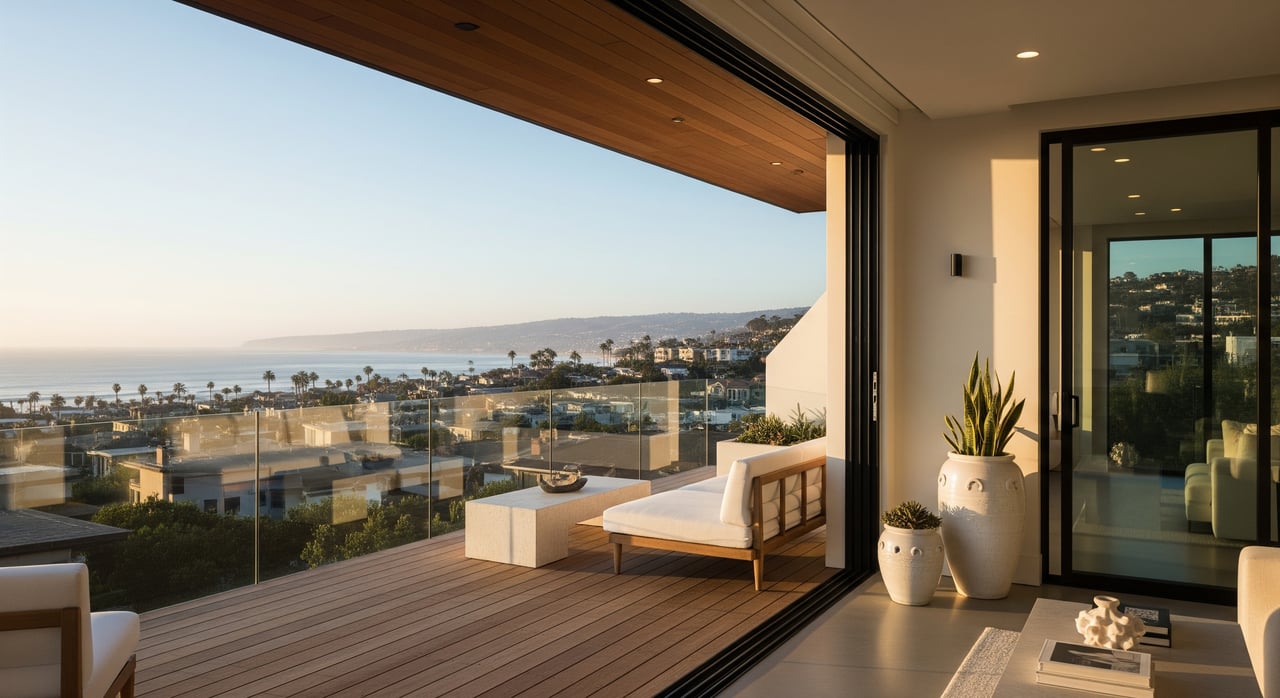
Torn between an oceanfront view, a calm bay outlook, or a quiet hilltop retreat in Pacific Beach? You are not alone. Each condo type offers a different lifestyle, price dynamic, and ownership experience. In this guide, you will learn the real tradeoffs that matter in PB, from views and HOA rules to parking, short‑term rentals, and insurance. Let’s dive in.
What you get: You are right on or near the sand with west-facing vistas and the PB boardwalk at your doorstep. Many buildings are smaller or older low to mid-rises, with a mix of wood-frame and concrete construction depending on age. The lifestyle skews active, with immediate access to the beach and nearby restaurants and nightlife.
Tradeoffs to consider: Parking is often limited in older oceanfront buildings, and visitor demand for street and meter parking is high near the boardwalk. You will experience more pedestrian activity and event noise, though higher floors can help. Salt air and sea exposure can increase exterior maintenance needs and reserve contributions. HOA amenities may be basic in older properties, while luxury projects exist but command higher dues.
Fit check: Choose oceanfront if you want daily beach access, premium sunset views, and do not mind extra activity and tighter parking.
What you get: East-facing units overlook Mission Bay with calmer water, marina views, and sunrise light. Many communities feature docks, grassy common areas, and amenities suited to water recreation. The setting is typically more protected from ocean wind and surf.
Tradeoffs to consider: Some projects include marina or boat access while others do not, so verify what is included. Evenings tend to be quieter, but you may hear occasional marina activity or events. Certain low-lying parcels can face tidal or stormwater considerations, so flood and elevation checks are important.
Fit check: Choose bayfront if you want calm-water scenery, access to paddling or boating, and a less tourist-heavy vibe than the oceanfront.
What you get: These units sit above the shore on bluffs or inland pockets near Garnet Avenue, Grand Avenue, and side streets away from the boardwalk. You often find newer construction, larger floorplans, and more deeded garage parking and storage. Some upper floors offer partial ocean or bay views.
Tradeoffs to consider: Full water exposure is less common, and you trade a quick walk to the sand for quieter living and easier year-round access. Buildings may include more modern amenities like gyms or pools.
Fit check: Choose hilltop or inland if you want more space, better parking, and a quieter full-time lifestyle.
Water views carry a premium, and oceanfront sunset views tend to command the highest per-square-foot prices. Bayfront scenery offers lasting appeal for buyers who value calmer water and recreation. Hilltop units often deliver larger footprints for the same price, which can make sense for long-term living.
Resale dynamics vary by audience. Oceanfront can be highly marketable, bayfront attracts water-oriented buyers, and hilltop appeals to long-term residents who prioritize space and convenience.
Amenities and dues vary widely by building age and scale. Older oceanfront buildings may have lower amenity levels but need stronger reserves for sea-exposed maintenance. Bayfront communities often offer docks, barbecue areas, and shared greens. Hilltop projects frequently provide more robust parking and storage, plus modern amenity packages.
Your HOA’s rules shape daily life. CC&Rs and house rules cover short-term rental policies, pet rules, guest parking, and more. Always review financials, reserve studies, meeting minutes, and assessment history to understand both day-to-day operations and long-term costs.
City requirements and HOA rules both govern short-term rentals. The City of San Diego has registration and permit processes and requires Transient Occupancy Tax collection for STR operators. Many HOAs either restrict or prohibit STRs, including minimum stay rules or owner-occupancy provisions.
Investor and lender factors matter. A high share of STRs or non-owner-occupied units can affect mortgage options and insurance underwriting. If rental income is part of your plan, confirm HOA policy, city registration status, and lender acceptance before you buy.
Recommended verification steps include obtaining CC&Rs, recent HOA minutes, rental policy amendments, and any pending compliance actions. Confirm any existing STR registration for the unit if applicable.
Parking is the number one pain point at the beach. Oceanfront buildings often have limited deeded stalls and heavy competition for street and meter parking near the boardwalk. Bayfront projects are more likely to offer deeded or garage parking and, in some cases, storage for boats or trailers. Hilltop properties typically provide better private garage parking and easier year-round access.
City-managed Residential Permit Parking, public lots, and timed meters can affect guests and renters in coastal zones. PB is highly walkable, though proximity to transit, grocery, and restaurants varies block by block.
Coastal exposure brings unique risks. Oceanfront properties face salt, moisture, and potential storm surge, while some bayfront parcels can experience tidal or stormwater impacts. Lenders may require flood insurance if a property lies in a mapped flood zone. Premiums vary based on building age, materials, and maintenance history.
Salt air accelerates corrosion, so exterior systems may need more frequent attention. Older low-rise buildings may require seismic upgrades or envelope repairs. Review master insurance coverage, obtain your own quotes early, and evaluate reserve studies and capital improvement histories.
Loan programs often scrutinize the entire condo project. Owner-occupancy ratios, delinquency rates, and commercial space can influence eligibility for FHA, VA, and conventional loans. Projects with high investor or STR concentrations may face restrictions.
Ask your lender to check project approval status and any flagged issues before you write an offer. Early verification can save time and prevent financing surprises.
Start with lifestyle priorities. If sunsets and sand access rule your day, oceanfront aligns with your goals. If you want peaceful water views and easy access to paddling, bayfront fits the bill. If space, parking, and everyday convenience are top priorities, hilltop or inland often wins.
Run the numbers next. Compare HOA dues, expected maintenance, and insurance impacts across locations. Consider your exit plan, whether that is resale to another view buyer, a water-recreation household, or a long-term resident seeking space.
Finally, pressure test your plan against rules and risk. Confirm STR feasibility, flood zone and insurance, and lender project eligibility before you commit. A clear due diligence path turns a great view into a great long-term decision.
Ready to narrow the field with clarity and confidence? Work with a local, senior-led team that lives these tradeoffs every day. Connect with Diana DuPre to compare real buildings, review HOA packages, and align your choice with both lifestyle and long-term value.
Stay up to date on the latest real estate trends.

We are dedicated to providing the most up-to-date market data in the area. Our team is made up of caring, knowledgeable professionals that work tirelessly to help you with the home buying and selling process.