Key Considerations When Buying a Historic South Park Home
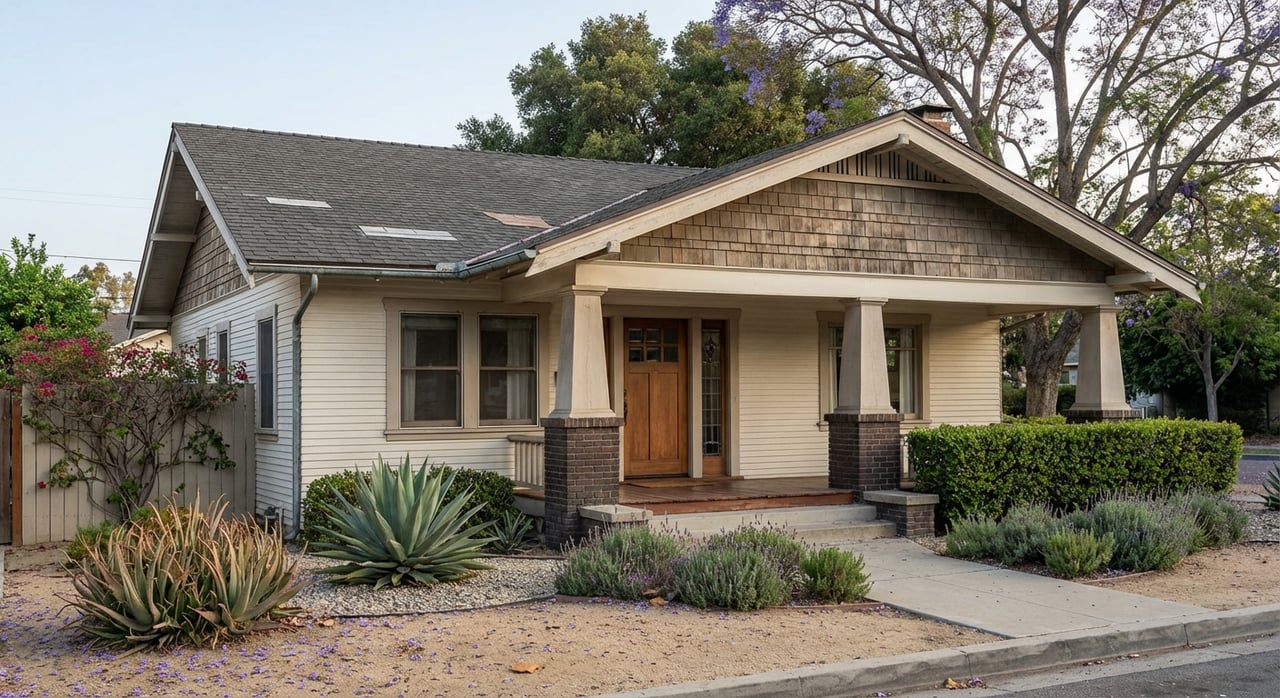
You love the charm of a front porch, original woodwork, and walkable tree-lined streets. If South Park’s Craftsman and Spanish-style homes have your heart, you are not alone. Buying a historic home here can be incredibly rewarding, but it helps to go in with clear eyes about condition, permits, and costs. In this guide, you will learn how to spot key architectural features, which inspections to prioritize, what San Diego’s historic rules mean for your plans, and how to budget smartly for upgrades. Let’s dive in.
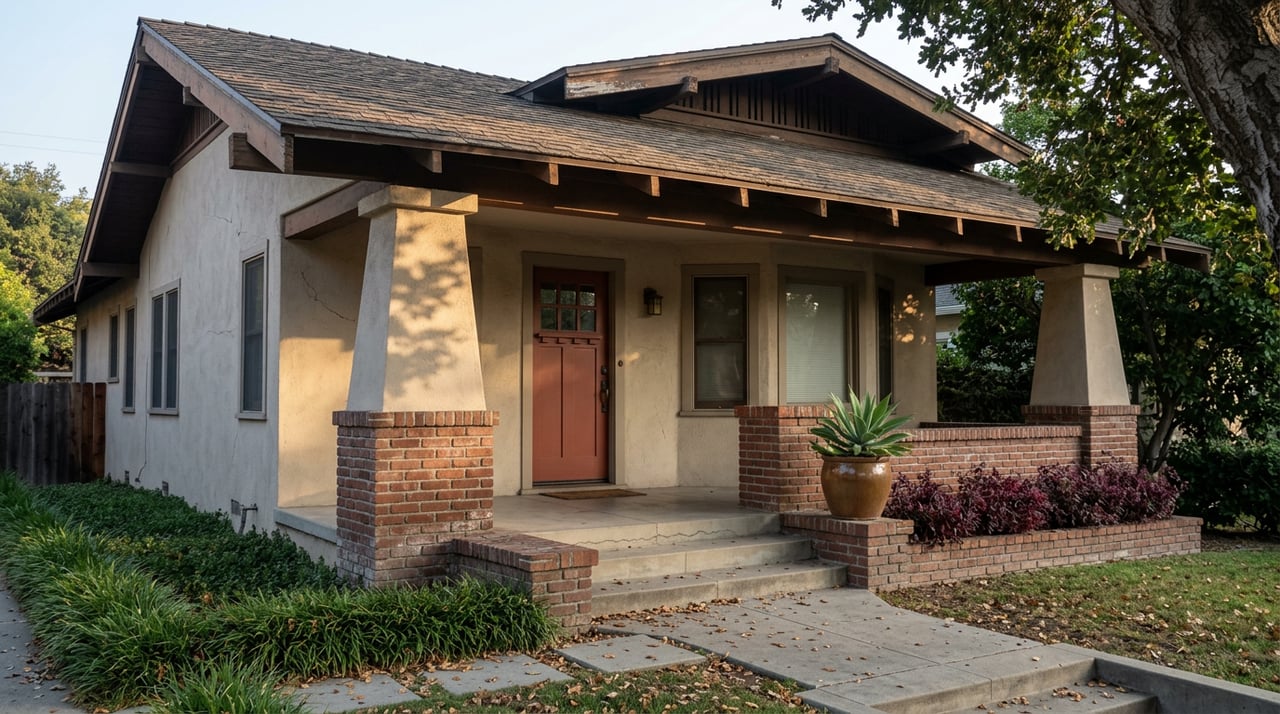
South Park began as an early 20th-century streetcar suburb east of Balboa Park, and a portion of the neighborhood is now recognized as the South Park Historic District for its intact pre-1950 homes and walkable character. You will find a high concentration of well-preserved bungalows and Spanish-influenced cottages that define the area’s look and feel. You can explore the district overview in the City’s historic resources records for helpful context on boundaries and significance. Review the South Park Historic District record.
Local preservation advocates and neighbors value the original fabric that gives South Park its identity. Their work has helped document homes and encourage thoughtful repair methods that protect character. If you are curious, you can learn more about the district’s background through a local preservation group’s summary. Read SOHO’s South Park district overview.
Older homes age beautifully when maintained, but they deserve a targeted look at high-impact systems.
Spanish and Spanish Revival homes often carry heavy clay tile roofs that are durable but more expensive to repair or replace than asphalt shingles. A tile roof project can climb into the tens of thousands depending on material and structure. See a national overview of roofing cost factors. Craftsman homes with wood siding and exposed porch elements are sensitive to moisture. Across styles, the National Park Service emphasizes water management as the top preservation priority. Keep grading, gutters, flashing, and stucco or siding repairs on your radar. Review NPS preservation guidance topics.
Many early bungalows were built on shallow foundations or pier-and-beam systems. Look for uneven floors, sticking doors, and new cracks. Moisture control in crawlspaces is key. If you suspect movement, consult a structural engineer who understands historic homes and can suggest stabilization or seismic measures that respect original materials.
Southern California has subterranean and drywood termites, and some areas report especially destructive strains. A licensed pest inspection and Wood-Destroying Insect report will surface active issues and past damage. Landscaping against wood siding, damp conditions, and porch framing are common risk areas. Learn about termite types and treatments.
Original wood windows are common in South Park. The NPS recommends a repair-first approach using weatherstripping, reglazing, and storm solutions before considering replacement. These steps often balance comfort and preservation better than full window swaps. See NPS guidance on window weatherization.
Homes built before 1978 may contain lead-based paint, and some finishes or mastics can contain asbestos. Renovations that disturb these materials must follow EPA Renovation, Repair and Painting rules. Plan for testing and, if needed, abatement by licensed pros before major work. Learn about RRP lead-safe requirements.
In addition to a standard home inspection, consider these targeted checks for older homes:
San Diego recognizes that many homes are 45 years old or more, and the City screens projects on those properties for potential historic value. If a home is designated or likely significant, you can expect additional review for exterior changes that could affect historic character. Review the City’s 45-year screening guidance.
If you are buying inside the South Park Historic District, plan for design guidance that helps keep character-defining features intact. Staff in the City’s Historic Preservation Planning and Development Services groups can provide pre-application help to set your project on the right path. You can confirm whether a specific address is in the district using the City’s records. Check the South Park Historic District listing.
When a project involves a recognized historic resource, the City and state rely on the Secretary of the Interior’s Standards for Rehabilitation. The National Park Service offers technical briefs that show how to balance upgrades with preservation across windows, roofs, moisture control, porches, and seismic retrofits. Explore NPS preservation standards and briefs.
San Diego participates in California’s Mills Act, which can significantly reduce property taxes for owners who commit to rehabilitating and maintaining a designated historic property under a contract. The program has a defined application window and submittal requirements, and properties must be locally designated to qualify. Review San Diego’s Mills Act program.
Every house is different, but these ballpark ranges will help you frame bids and contingencies. Always seek local contractor estimates for your specific property and scope.
A smart plan helps you move quickly and confidently in an in-demand neighborhood.
South Park is a walkable, high-demand neighborhood. Recent market reports often show median sale prices roughly in the 1.3 to 1.6 million range depending on the time frame and data provider. Inventory can be tight, so buyers prepared to handle condition items may find opportunities on well-located homes that need work. Always reference current data for the specific listing period before you offer.
Buying a character home is part art, part strategy. You want an advocate who understands historic materials, the City’s review process, and how to structure offers that account for inspections and budget. As a boutique, high-touch brokerage, we help you evaluate condition with the right specialists, plan for approvals, and negotiate with confidence. When you are ready to explore South Park, connect with Diana DuPre to start a thoughtful, well-prepared search.
Stay up to date on the latest real estate trends.
We are dedicated to providing the most up-to-date market data in the area. Our team is made up of caring, knowledgeable professionals that work tirelessly to help you with the home buying and selling process.