Hillcrest Multifamily Investing Guide for 2–4 Unit Buyers
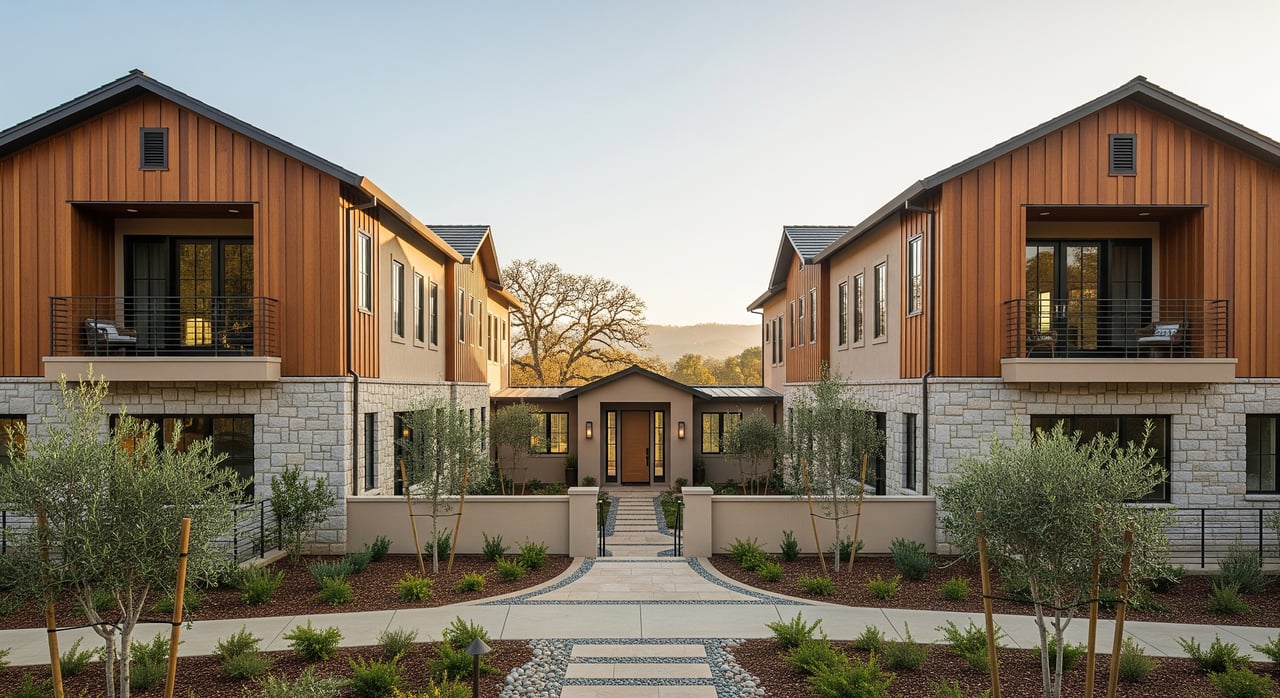
Thinking about buying a duplex, triplex, or fourplex in Hillcrest? You’re looking at one of San Diego’s most sought-after urban neighborhoods, where walkability, amenities, and steady renter demand set the stage for a smart long-term hold. If you want to understand building types, rent dynamics, ADUs, financing, and the right value-add moves, this guide gives you a practical roadmap to invest with confidence. Let’s dive in.
Hillcrest sits just north of Balboa Park within San Diego’s Uptown corridor. It offers a pedestrian-friendly lifestyle, strong transit access, and close proximity to major employment centers. The neighborhood is known for dining, nightlife, and parks, which helps sustain consistent interest from renters who value convenience and amenities.
Many residents work in downtown, medical, or academic settings. With short commutes and a lively commercial core, Hillcrest often commands rents at or above the city average. That premium reflects neighborhood reputation and the daily ease of living without heavy reliance on a car.
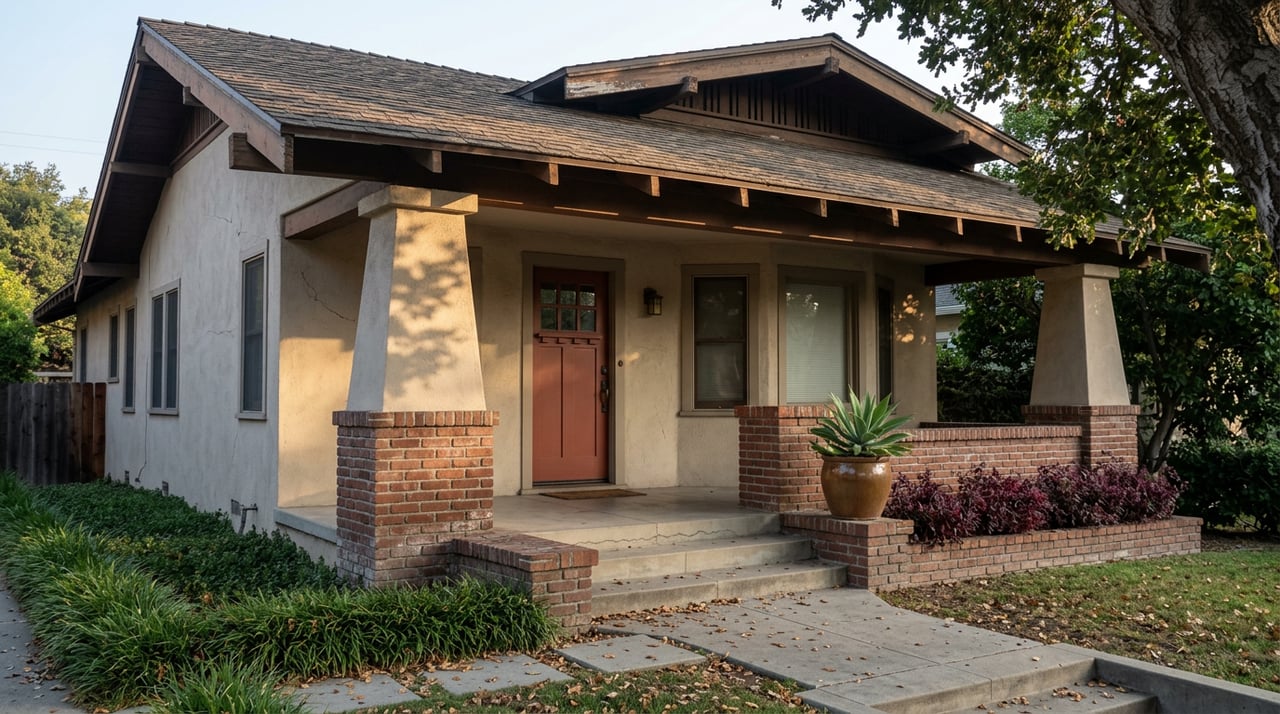
Most small multifamily properties here date from the early to mid-20th century, with additional postwar and infill construction. You’ll commonly see:
Because the building stock is older, plan for systems updates over time. Roofing, electrical, plumbing, HVAC, and potential seismic or structural upgrades are common considerations. Many lots are compact with tight setbacks, so additions can be limited. On-site parking is often minimal, which makes a strong amenities package inside each unit even more important.
Hillcrest’s urban setting and amenities support steady occupancy and a healthy renter pipeline. Turnover can be moderate, especially among tenants who move for work or school changes. Properties that add modern features like in-unit laundry, secure entry, and improved storage often see lower turnover and a stronger applicant pool.
Because on-street parking can be tight, small touches that improve day-to-day living matter. Thoughtful interior storage, efficient layouts, and energy-saving upgrades can help your property stand out while supporting rent stability.
California’s Tenant Protection Act (AB 1482) applies to many residential units statewide. In practice, it typically limits most annual rent increases by a formula tied to 5 percent plus local CPI, up to a maximum of 10 percent, and establishes just-cause eviction protections for qualifying units. Some properties are exempt based on building age or ownership type, so you should confirm the status for each property you evaluate.
San Diego does not have a broad city-level rent control program like some other California cities, but local ordinances still apply, including rules related to habitability, nuisance, and short-term rentals. When you underwrite, use conservative rent growth and account for the time and cost of legal compliance, notices, and potential relocation assistance when relevant.
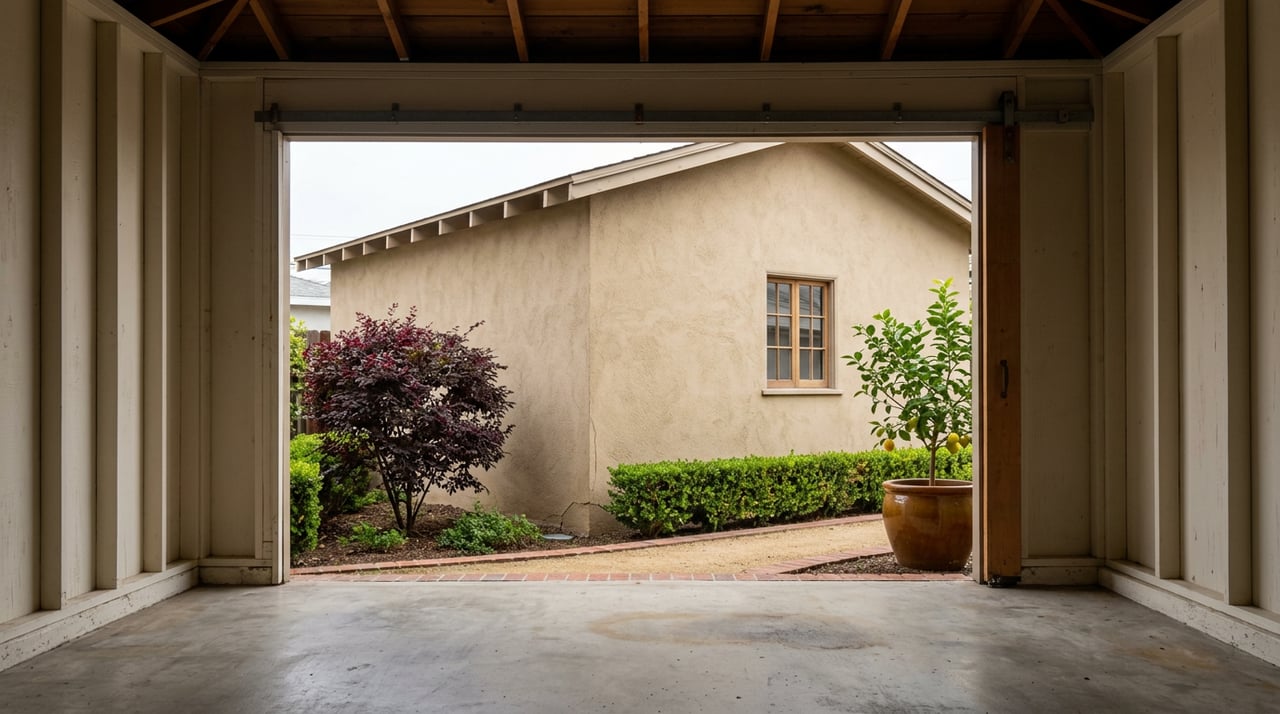
Over recent years, California has expanded laws to encourage accessory dwelling units. Many ADUs are now processed ministerially when projects meet objective standards. For multifamily properties, you may be able to add new ADUs or convert existing spaces, subject to local rules.
In Hillcrest, typical opportunities include:
Plan for a 2–6 month ministerial review when projects meet the criteria. Historic resources or utility upgrades can extend the timeline. Costs vary based on scope, design, and utility needs. Always verify whether new ADU rents fall under AB 1482 and how local rules apply to your site. Given Hillcrest’s mix of historic properties and smaller parcels, early feasibility review saves time and cost.
Two- to four-unit properties are often financed as residential rather than commercial, which unlocks flexible options:
Underwriters will look closely at net operating income, vacancy assumptions, operating expenses, replacement reserves, and rent growth. With statewide protections in play, lenders and appraisers may weigh in-place rents versus market rents and the feasibility of value-add improvements.
Hillcrest’s older building stock makes a thorough inspection essential. When you enter escrow, build a tight checklist:
The goal is to map near-term capital needs and ongoing maintenance so your pro forma reflects realistic cash flow and reserves.
In Hillcrest, value-add is often about livability and efficiency rather than large expansions. Focus on improvements that raise net operating income without relying on aggressive rent increases:
These upgrades target higher NOI, stronger tenant retention, and defensible value at resale.
The most common missteps come from underestimating constraints. In Hillcrest, lots are small, parking is limited, and some buildings fall under historic considerations. Be conservative about expansion plans, and confirm whether any exterior changes require additional review.
Short-term rentals face local regulation and licensing requirements. If you are considering STRs, budget time for compliance and treat it as a specialized strategy that may not suit every site. Community engagement also matters in Uptown. Larger or discretionary projects can attract public input, which can affect timelines.
Finally, factor in potential turnover costs, legal notice timelines, and the administrative load tied to just-cause protections. The more clearly you plan for these realities, the smoother your first year of ownership will be.
It pays to define your exit at acquisition. Common paths include:
Some owners explore condominium conversions, but you should only consider that route after detailed legal review and with a clear understanding of local rules and potential relocation assistance.
If you are targeting a duplex to fourplex in Hillcrest, start by clarifying your investment profile. Decide whether you will occupy a unit, how much renovation you are comfortable managing, and your return horizon. From there:
When you want broker-level oversight and a clear game plan from offer to close to stabilization, connect with Diana DuPre for a focused investor consultation. You will get practical guidance on targeting the right buildings, stress-testing underwriting, and sequencing upgrades that keep cash flow front and center.
Stay up to date on the latest real estate trends.


We are dedicated to providing the most up-to-date market data in the area. Our team is made up of caring, knowledgeable professionals that work tirelessly to help you with the home buying and selling process.