Is that charming South Park bungalow a true Craftsman, or is it Spanish Revival with classic San Diego flair? If you love the neighborhood’s porch culture and historic streets, telling these styles apart will help you buy, renovate, and sell with confidence. You want character that lasts and upgrades that make sense, not costly mistakes. In this guide, you’ll learn how to identify each style, what to fix first, how to plan renovations in older homes, and which improvements today’s buyers value most. Let’s dive in.
South Park style snapshot
South Park grew as an early streetcar suburb in the first decades of the 1900s. Many homes date from the 1910s through the 1930s, which is why Craftsman bungalows and Spanish Revival cottages are so common. Lots are modest, facades face the sidewalk, and porches invite neighbors to connect.
That historic context matters when you plan changes. Original materials, massing, and porch forms often define a home’s character. Exterior work may trigger review in some cases, so it pays to check local historic resources before you start.
How to spot a Craftsman
Craftsman homes in San Diego were most popular from about 1905 to 1930, peaking in the 1910s and 1920s. The style emphasizes natural materials, sturdy proportions, and built-in craftsmanship. For a deeper dive into the style, the Los Angeles Conservancy’s overview of the Craftsman bungalow is a helpful regional reference.
Exterior signatures
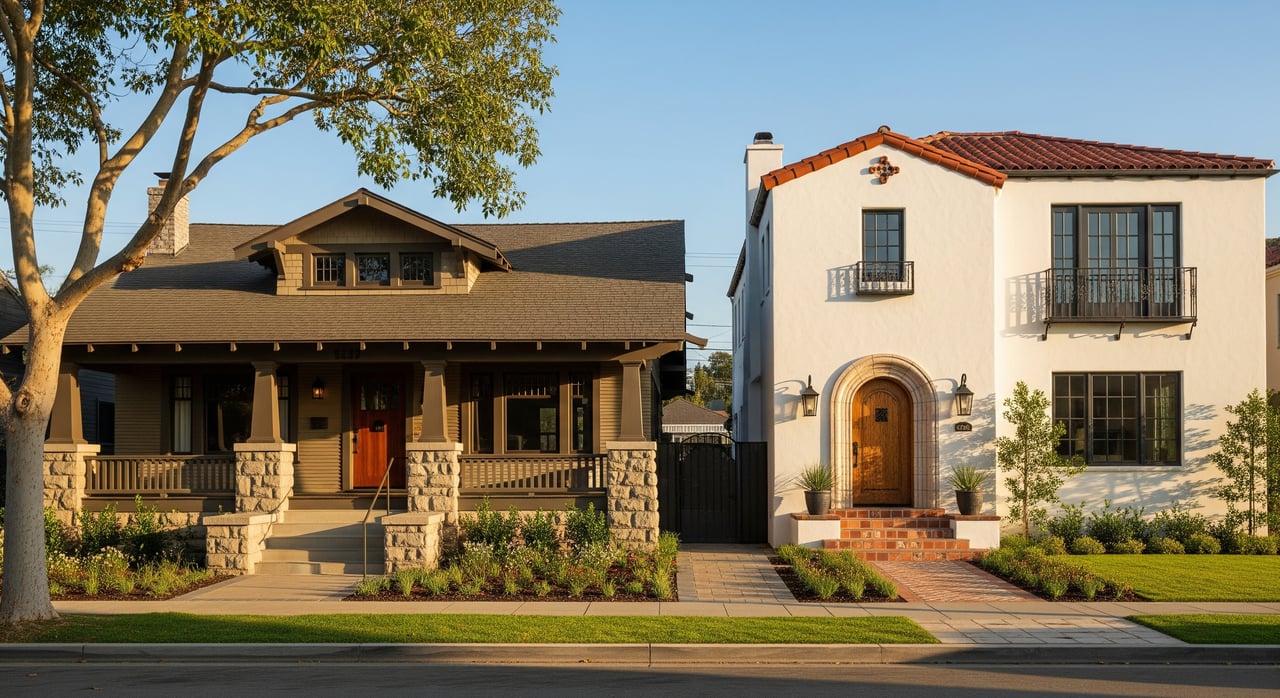
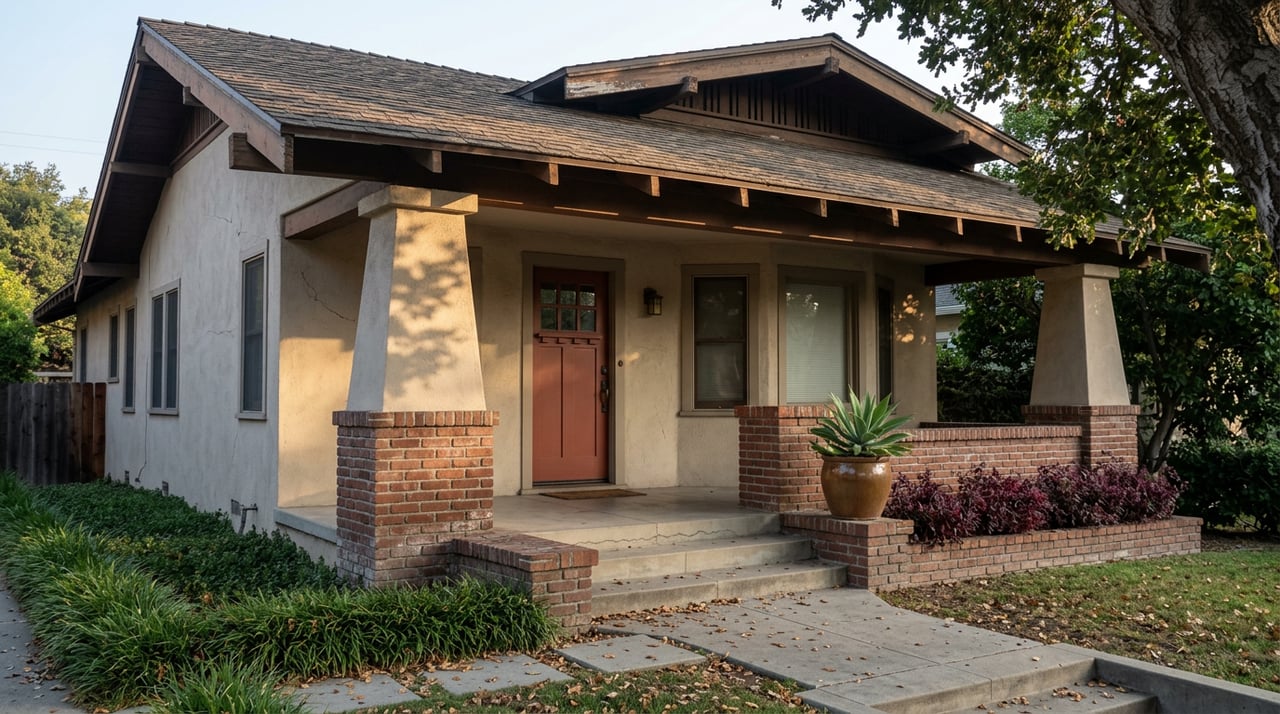
- Low-pitched gabled roofs with wide eaves and exposed rafters or rafter tails.
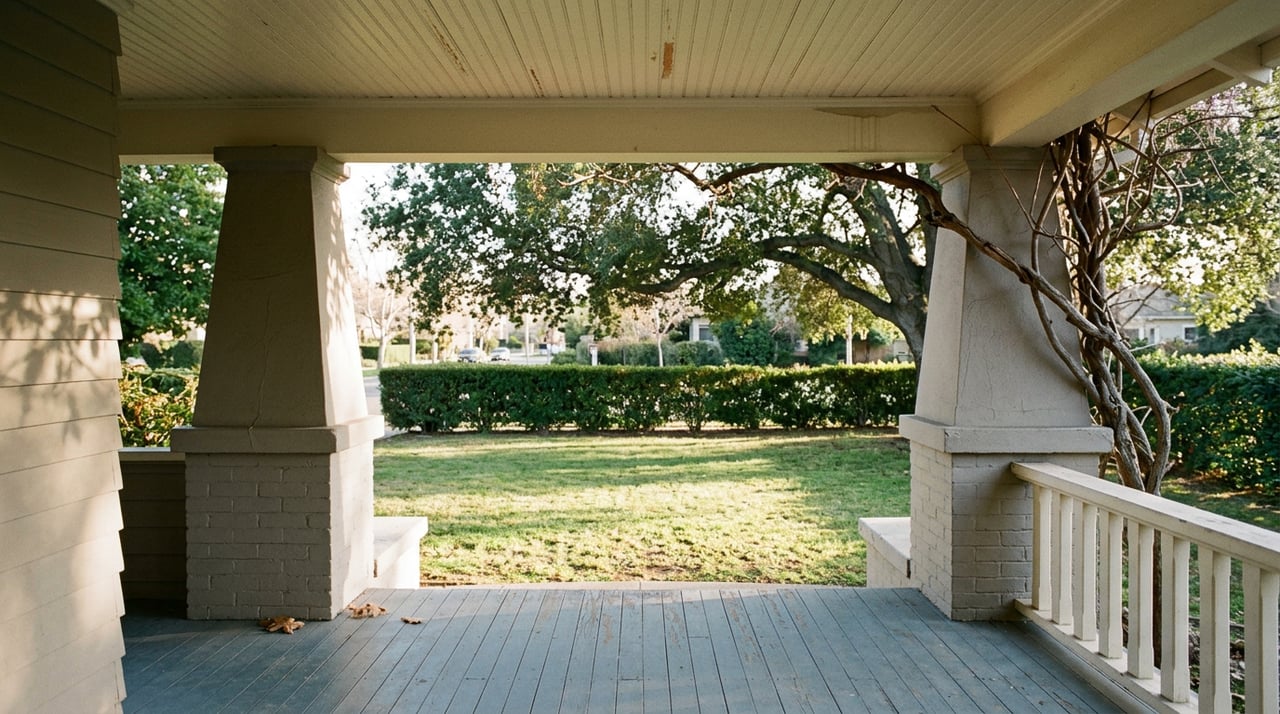
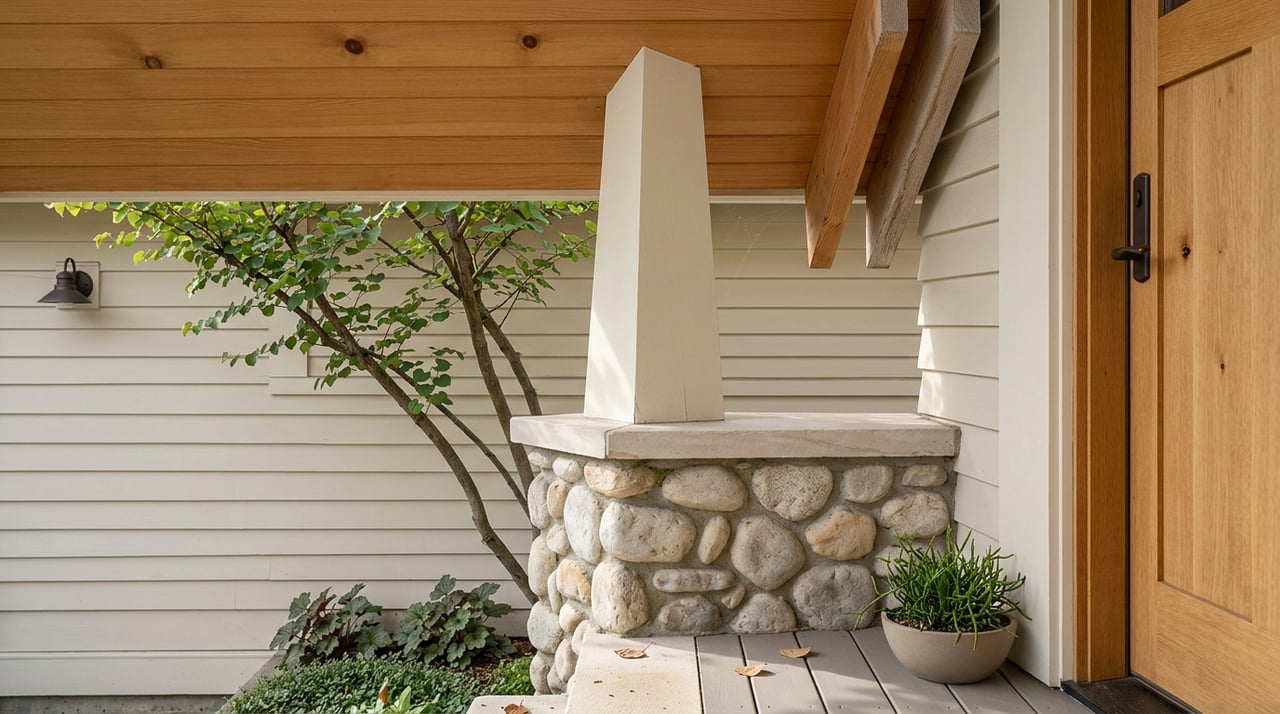
- Broad front porches on tapered square columns, often resting on brick or stone piers.
- Wood cladding such as clapboard or shingles, with grouped windows and horizontal lines.
Interior character
- Built-ins like bookcases, window seats, and a prominent masonry fireplace.
- Rich wood trim, wainscoting, and original hardwood floors.
- Smaller, defined rooms compared with modern open plans.
Common maintenance notes
- Painted wood siding and porch elements need regular care to prevent rot.
- Original single-pane windows can be repaired and weather-stripped to improve comfort.
How to spot Spanish Revival
Spanish Revival, sometimes called Spanish Colonial Revival, became especially popular in the 1920s and 1930s. In Southern California, it pairs beautifully with our climate and indoor-outdoor lifestyle. For an accessible primer, see the Conservancy’s summary of Spanish Colonial Revival.
Exterior signatures
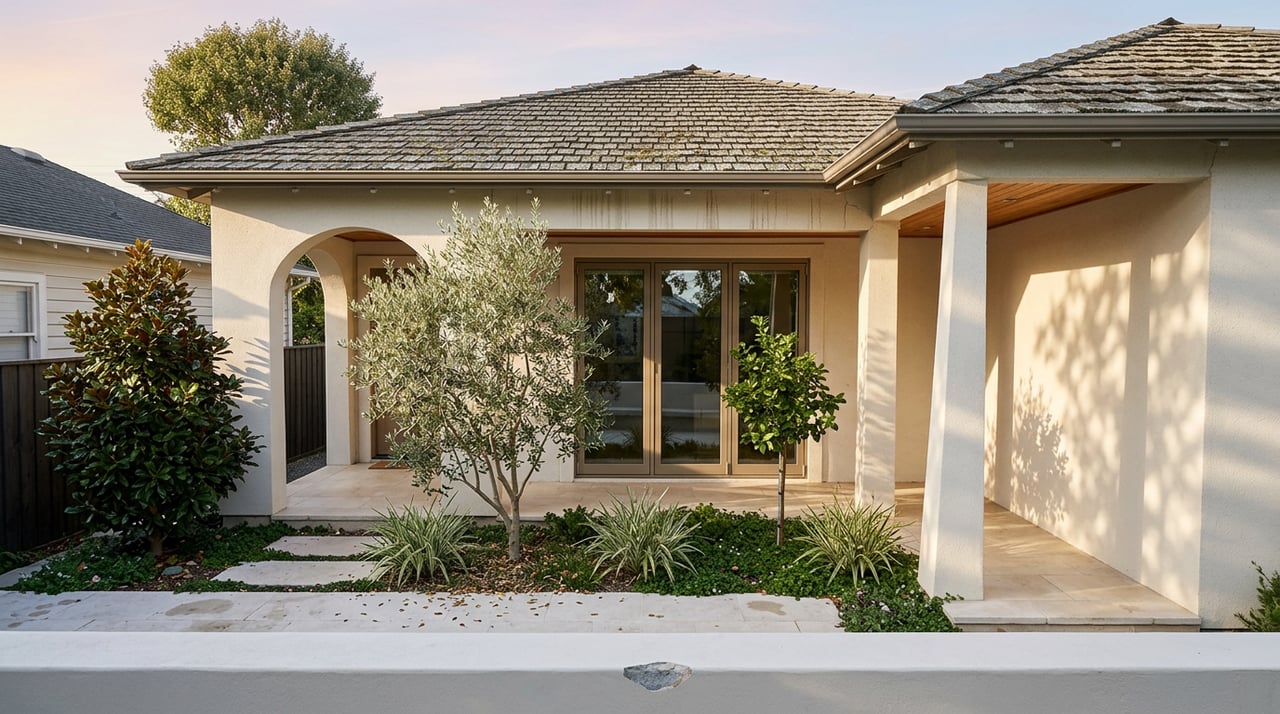
- Smooth stucco walls in soft whites or earth tones, with low-pitched red clay tile roofs.
- Arched entries and windows, recessed openings, and decorative tile accents.
- Wrought-iron grilles, balconies, and asymmetrical facades; courtyards or small arcades.
Interior character
- Plaster walls and, in some homes, wood beam ceilings or decorative tile floors.
- Simpler built-ins than Craftsman, with tile and iron details as focal points.
Common maintenance notes
- Clay tiles are durable, but underlayment and flashing age and need periodic replacement.
- Stucco cracks and roof-wall transitions are common moisture entry points.
Quick visual cues
- Craftsman: wood siding, exposed rafter tails, deep front porch with tapered columns.
- Spanish Revival: smooth stucco, red clay tile roof, arches, and wrought iron.
Renovating with character in mind
Older South Park homes reward thoughtful planning. A few smart choices can protect integrity, boost comfort, and raise resale value.
Start with the rules
If your home is a designated historic resource or located in an area with added review, exterior changes may require specific approvals. Rehabilitation work should align with the widely used Secretary of the Interior’s Standards for Rehabilitation. If your property is recognized as historic, the California Historical Building Code can offer flexibility when upgrading safety and systems; learn more through the California Office of Historic Preservation.
Structure and safety priorities
- Foundations and seismic: Many early 20th-century houses lack modern anchorage and bracing. Seismic retrofits are a high-impact safety upgrade and a strong selling point.
- Roofs: Craftsman roofs may have started as wood shingles; today, compatible composite options can match the profile. Spanish Revival roofs rely on clay tiles, but the underlayment often drives performance and cost.
- Moisture control: Repair stucco cracks, confirm proper flashing, and mind drainage. Pay special attention to roof-wall intersections and arched openings on Spanish Revival homes.
Systems and energy comfort
- Electrical: Older panels and knob-and-tube wiring are common. Buyers expect grounded circuits and 100 to 200 amp service, especially for modern HVAC.
- Plumbing: Galvanized supply lines and cast iron drains may be at end of life. Kitchen and bath updates are natural times to address this.
- HVAC and insulation: Many homes started without central air and have minimal insulation. Consider low-profile ducted or ductless solutions and add attic insulation where feasible without harming historic fabric.
- Windows: Original wood windows often can be repaired, weather-stripped, and paired with storm solutions. For practical guidance on comfort upgrades in historic homes, the National Trust’s resources at Saving Places are useful.
Materials and finishes that sell
- Keep original features whenever possible. Porches, built-ins, tile, and hardwood floors have high perceived value and set your home apart.
- When replacement is necessary, match profiles and textures closely. Examples include lap siding dimensions, porch column proportions, and clay tile type.
- Color counts. Craftsman palettes lean to earth tones and stained wood. Spanish Revival favors whites and warm neutrals with tile and iron accents.
Additions and ADUs
- Respect original massing. Keep additions secondary to the front facade and honor rooflines and porch rhythm.
- ADUs can add value in many San Diego zones. If your home has historic considerations, place the ADU to minimize impact on the primary facade and verify requirements with local planning and historic resources. The California Office of Historic Preservation offers context on historic compliance pathways.
What buyers want in South Park
Today’s buyers are drawn to authentic character paired with reliable systems and comfort.
- Authentic details: Original trim, floors, porches, tilework, and built-ins are big differentiators. Many buyers prefer preservation over full gut remodels.
- Modern convenience: Updated electrical, plumbing, HVAC, functional kitchens and baths, and dedicated laundry spaces are high on the list.
- Indoor-outdoor living: Usable porches, patios, and climate-appropriate landscaping enhance daily life.
- Walkable charm: National research, including the NAR Community Preference Survey, shows sustained interest in neighborhoods with amenities and character.
- Safety and comfort: Seismic retrofits, insulation, and efficient HVAC provide confidence and comfort in California.
Smart, value-first pre-list improvements
If you plan to sell, focus on high-visibility fixes and documentation buyers can trust. Prioritize by impact and cost.
Priority A: High impact, moderate cost
- Paint the exterior with period-sensitive colors; refresh trim and porch surfaces.
- Repair the porch structure and steps, secure railings, and improve drainage.
- Address obvious roof, stucco, and flashing issues that will surface on inspection.
- Service the HVAC and replace filters; gather maintenance records.
Priority B: Moderate cost, strong appeal
- Kitchen refreshes that respect style: keep attractive original cabinets where possible; use complementary materials like shaker fronts in Craftsman or a tile backsplash nod in Spanish Revival.
- Bath updates that save historic tile while improving fixtures, lighting, and storage.
- Electrical panel upgrades and correction of visible wiring issues; include electrician receipts.
Priority C: Higher cost, strategic value
- Seismic retrofit and foundation work. Provide permits and inspection reports.
- Window repair and weather-stripping; if replacement is required, choose historically sympathetic units and retain original profiles where you can.
- Front yard and patio tune-up with low-water plants that fit the San Diego climate and highlight the entry and porch.
Documentation that boosts confidence
- Keep a binder with permits, contractor invoices, and a list of preserved original features.
- Note any roof underlayment replacement dates, stucco repairs, and seismic retrofit scope.
Staging and listing tips for character homes
- Lead with character. Photograph the porch, fireplace, built-ins, tilework, and original floors.
- Explain the style. In your listing description, connect key features to Craftsman or Spanish Revival so buyers understand the home’s story.
- Highlight smart upgrades. Call out systems, seismic work, and efficient HVAC to balance charm with substance.
- Share resources. Offer contacts for historic window repair or retrofit specialists so buyers feel supported.
South Park’s architectural mix is part of its magic. Whether you lean Craftsman or Spanish Revival, you can preserve the best of your home while making smart upgrades that fit how you live today and what buyers value tomorrow. If you would like a tailored plan for your home or a second set of eyes before you list, connect with Diana DuPre for a neighborhood-savvy consultation.
Resources
FAQs
What defines a South Park Craftsman home?
- Look for low gabled roofs with exposed rafters, a deep front porch with tapered columns on piers, grouped wood windows, and interior built-ins and wood trim.
How can I identify Spanish Revival in San Diego?
- Smooth stucco walls, red clay tile roofs, arched openings, decorative tile accents, and wrought-iron details signal Spanish Revival, often with courtyards or small arcades.
Do historic guidelines affect my exterior remodel?
Which upgrades add the most value before selling?
- Fix visible roof and stucco issues, refresh exterior paint and the porch, update the electrical panel, and document seismic, HVAC, and plumbing improvements.
Are original windows always a liability in older homes?
- Not necessarily; many wood windows can be repaired and weather-stripped, and resources from Saving Places offer practical guidance.
What should I know about clay tile roof maintenance?
- Tiles often last, but the underlayment and flashing age; plan for periodic inspection and replacement to prevent moisture intrusion on Spanish Revival homes.