The Historic Home Tax Break Half of South Park Doesn't Actually Have
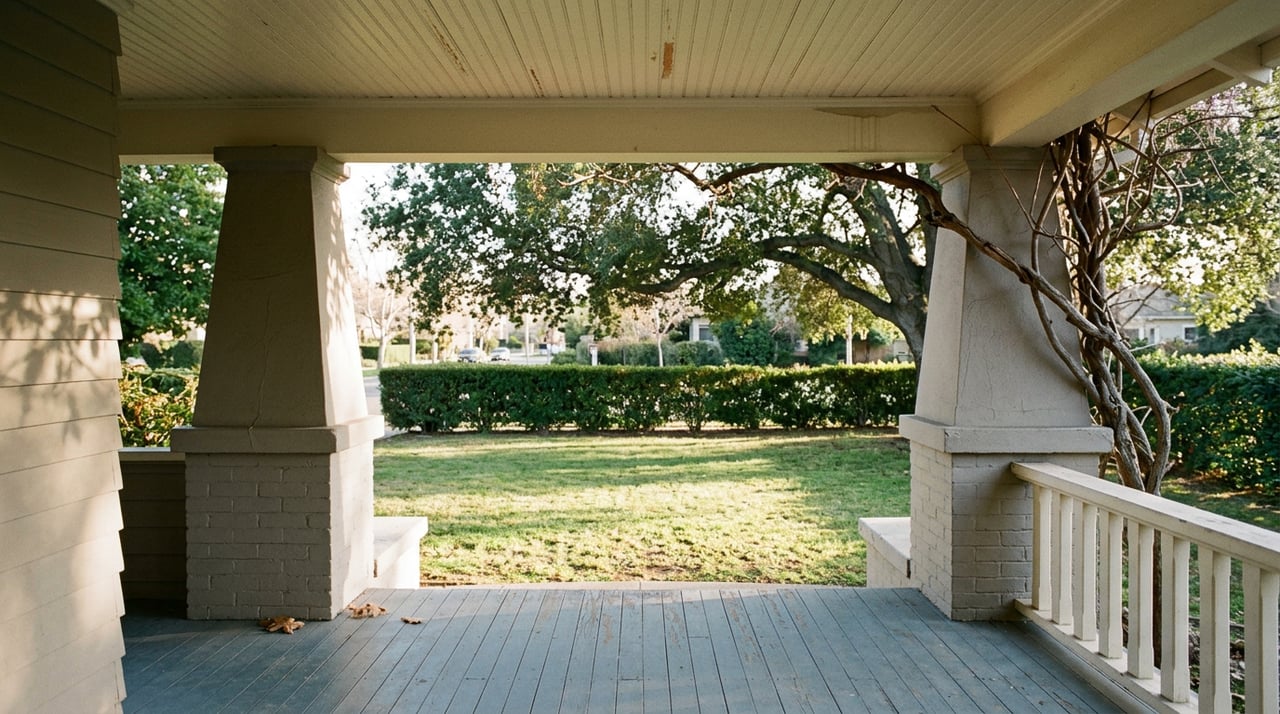
A buyer closes escrow on a Craftsman bungalow on Fern Street in June, the kind of house with a wide front porch and a plaque-worthy build date somewhere around 1918. The listing mentioned the home sits inside South Park's Historic District. The buyer assumes that means a Mills Act tax break comes with it, the way a washer and dryer might. Eight months later, still paying full property tax, they call the city to ask where their discount went. The answer: historic designation and a Mills Act contract are two separate filings, the second one has its own calendar, and that calendar just closed for the year.
This is the gap that trips up more South Park buyers than any inspection item. It is worth understanding before you write an offer, not after you close.
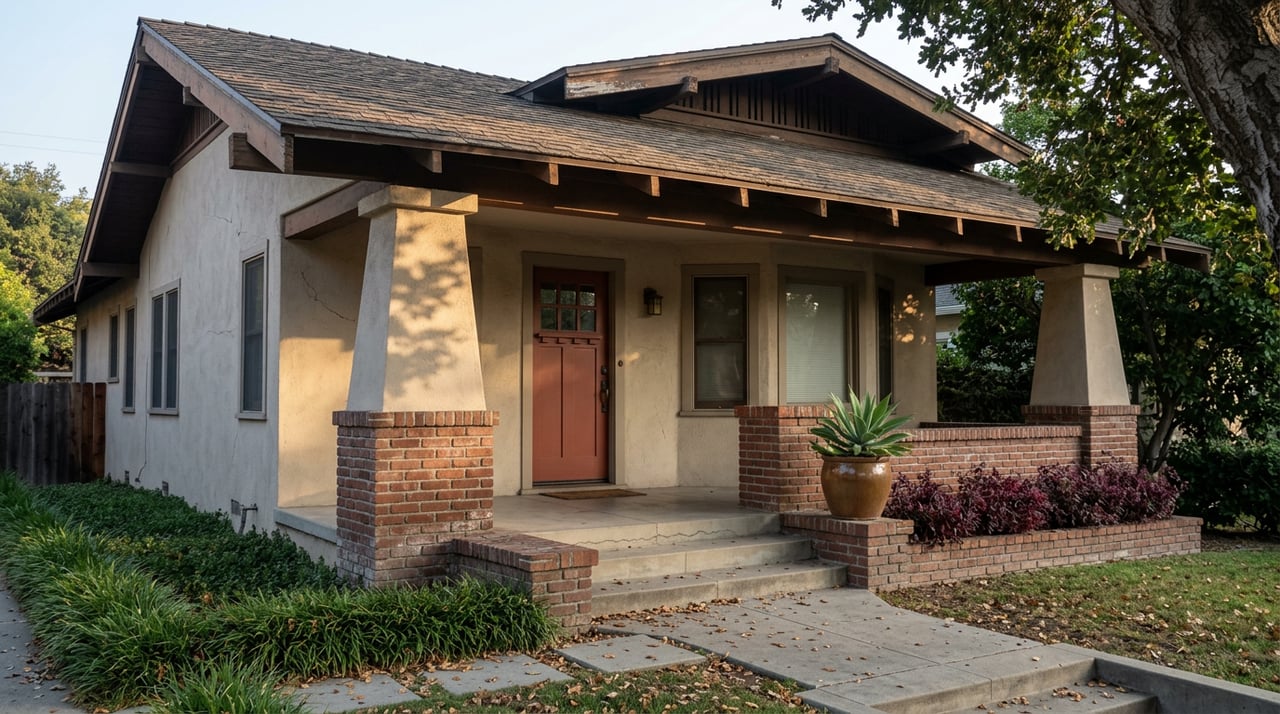
South Park's 2017 Historic District covers roughly 295 contributing structures, mostly Craftsman bungalows and Spanish Colonial Revival homes built between 1905 and 1930, some with design work tied to Irving Gill and Richard Requa. Being one of those contributing structures means the home's exterior falls under design review if an owner wants to change something visible from the street. It does not, by itself, change a single line on the property tax bill.
The Mills Act is the part that touches money, and it is a voluntary contract a property owner signs with the City of San Diego, not an automatic feature of historic status. A home can carry full historic designation for years and never have a Mills Act contract recorded against it. According to the City of San Diego's Mills Act program page, local historical designation is required before an owner can even apply for the contract, but designation alone gets you nothing on the tax side. You have to apply separately, and the city only takes applications during a specific window.
That window runs January 1 through March 31 each year, and to qualify your property generally needs to already carry historic designation before that year's cycle opens. Miss the window, and you are not waiting a few weeks. You are waiting until the following January.
Here is what that means in practical terms for a buyer moving on a South Park property that is designated but not yet under contract:
| Step | Timing |
|---|---|
| Property already historically designated | Must be in place before the application year |
| Mills Act application window | January 1 through March 31 |
| City review and Historical Resources Board process | Following the close of the window |
| Contract recorded (if approved) | After city sign-off |
| New assessed valuation applied | The next January 1 lien date after recording |
| First tax bill reflecting the reduction | The fiscal year tied to that lien date |
Close on a house in June and there is no application to file until the following January at the earliest. Even a fast approval and recording won't move your assessed value until the next January 1 lien date rolls around. Depending on where in the calendar you close, that can put well over a year between move-in day and the first tax bill that actually reflects the contract. Buyers who priced the home assuming an immediate discount are instead carrying the full, undiscounted bill for a stretch of ownership they did not budget for.
Once a Mills Act contract is in place, the county assessor stops using comparable sales to value the property and switches to an income capitalization method instead, based on what the home could reasonably rent for. That is a fundamentally different math than what set your purchase price. Savings have ranged from roughly 20 percent to 70 percent of the pre-contract tax bill according to the San Diego County Assessor's Mills Act information sheet, and the exact number depends on the property's rental comparables, size, and location, not on what you paid for it.
That range cuts both ways. A buyer who assumes every South Park Mills Act home saves the same percentage is guessing. And the county assessor's own materials note that owners who have held a property for a long time under Proposition 13, with taxes already low relative to current market value, may see little or no benefit from entering a contract at all. The Mills Act is not a universal discount. It is a formula applied to a specific parcel, and the outcome varies enough that a parcel-specific estimate from the assessor's office is worth more than any rule of thumb.
The contract itself runs a minimum of ten years and renews automatically each year, which keeps ten years perpetually ahead of you unless either side files notice to stop the renewal. It transfers with the property, so a buyer of an already-contracted South Park home inherits both the tax benefit and the maintenance obligations that came with it, sight unseen unless someone hands over the recorded document.
Breaking the contract carries a real cost. State law sets a cancellation fee equal to 12.5 percent of the property's current fair market value, calculated as though the historic restriction never existed, a figure documented across multiple California jurisdictions' Mills Act materials and confirmed in the California State Parks Office of Historic Preservation's Mills Act summary. The City of San Diego also charges an enforcement fee, $756 as of the city's most recent program review, when it has to pursue remedies for a violation. These numbers rarely get triggered, but they explain why cities treat cancellation as a last resort rather than a routine off-ramp, and why an owner planning major exterior changes should check the contract's terms before assuming they have a free hand.
Context for how common these contracts actually are: San Diego runs the largest Mills Act program of any city in the state, with more than 1,500 active contracts citywide, according to a Los Angeles city planning department review of comparable municipal programs. That scale is exactly why the application window and the designation-versus-contract distinction matter so much here. This is not a rare, obscure filing. It is a well-used program with a real calendar, and South Park has enough of the right architecture to make that calendar relevant on almost any listing that catches your eye.
If you are looking at a designated South Park property and the listing mentions Mills Act potential, treat that phrase as a lead to verify, not a fact to assume.
Does every historic-looking South Park bungalow already have a tax break attached? No. Historic district contributing status and a Mills Act contract are separate filings, and a meaningful share of South Park's designated homes carry only the former.
Will the seller have to tell me if a Mills Act contract exists? The contract is recorded against the property and should surface in a title search regardless, but a seller who understands the program discloses it early because it changes the buyer's carrying costs and affects how a lender reviews the file.
If I miss this year's application window, is the opportunity gone for good? No. The window reopens every January 1. You simply need to plan your closing and your first-year tax expectations around that calendar rather than assuming savings begin at move-in.
Does the Mills Act discount show up in a home's listing price? Not directly. The savings are calculated from rental income comparables specific to that parcel, not from the sale price, so two similar South Park bungalows can carry different Mills Act outcomes even at similar list prices.
Buying or selling a historic home in South Park means reading two sets of paperwork, not one, and timing a closing against a calendar most buyers never think to ask about. DuPre Real Estate works these details on every historic transaction we handle, from confirming what's actually recorded against a title to lining up an assessor estimate before you're locked into a purchase price. If you're evaluating a South Park property with Mills Act potential, Schedule Your Consultation and we'll walk the specifics with you before you write an offer.
Stay up to date on the latest real estate trends.





We are dedicated to providing the most up-to-date market data in the area. Our team is made up of caring, knowledgeable professionals that work tirelessly to help you with the home buying and selling process.