South Park ADUs: Why Permit Numbers Trail North Park's
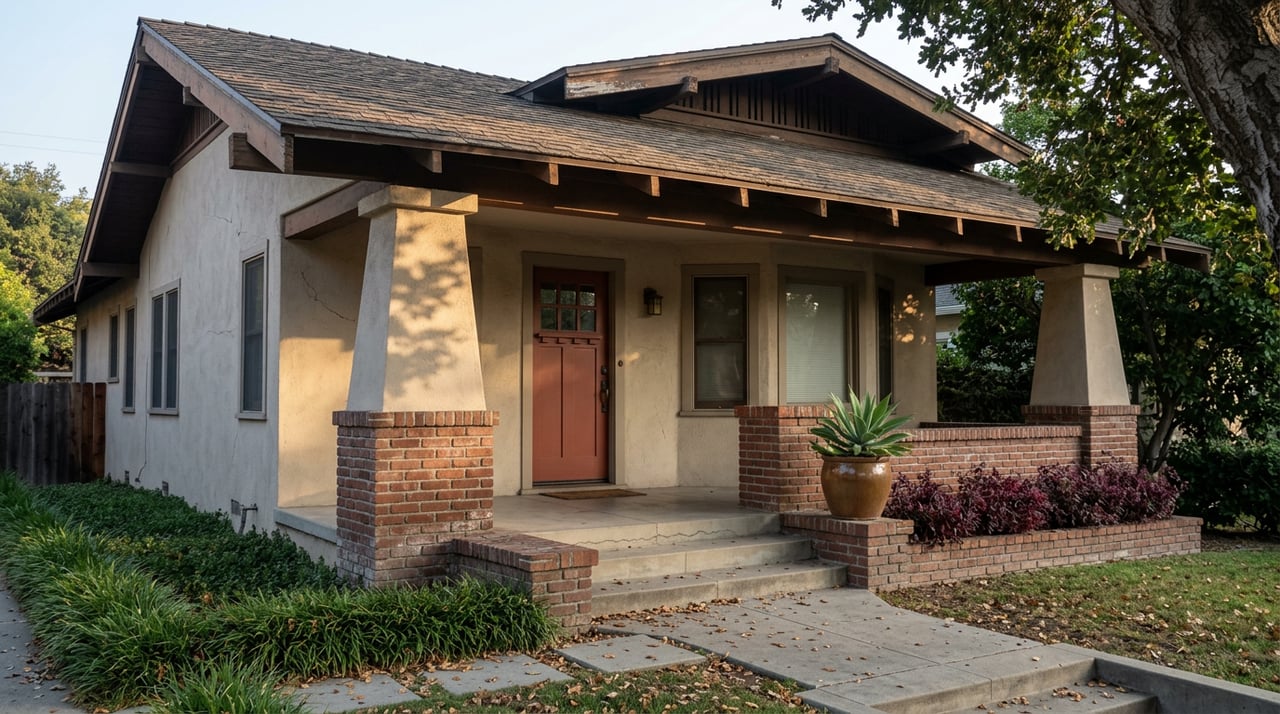
Two neighborhoods of Craftsman bungalows, built within a decade of each other, sit on either side of the same signal light in central San Diego. Under California's ADU law, they should behave almost identically: the same size caps, the same parking exemptions near transit, as Steadily describes. In practice, the permit counts tell a different story. In the city's most recent neighborhood permit tally, current through early 2026, South Park logged 33 ADU permits. North Park, one intersection away and built on comparable lots, logged 117. Citywide, Clairemont led with 192.
That gap is not a demand problem. South Park has alley access and exactly the kind of bungalow lot investors target for a backyard unit. The gap shows up the moment a South Park owner tries to pull a permit for anything visible from the street.
In 2017, San Diego designated the original South Park Addition subdivision as a Historic District, a collection of Craftsman and Spanish Colonial Revival homes built between 1905 and 1930, including work attributed to architects Irving Gill, William S. Hebbard, and Richard Requa. That designation did not rewrite the state's ADU law. It added a second layer on top of it.
Anywhere else in the city, a standard ADU application moves through a ministerial process: meet the size, height, and setback rules laid out in the city's Information Bulletin 400 and the permit is largely a formality. Inside a historic district, significant exterior work on a building older than 45 years—an age threshold STEL Builders identifies for closer city review—typically triggers a discretionary review by the Historic Resources Board instead, a path Better Place Design Build describes for historic districts, along with a Certificate of Appropriateness before anything the street can see changes, as Historic South Park explains.
The design bar for a South Park ADU is specific, not vague. Reviewers generally expect a new unit to echo the primary structure's original era rather than read as an obvious modern addition, which in practice means:
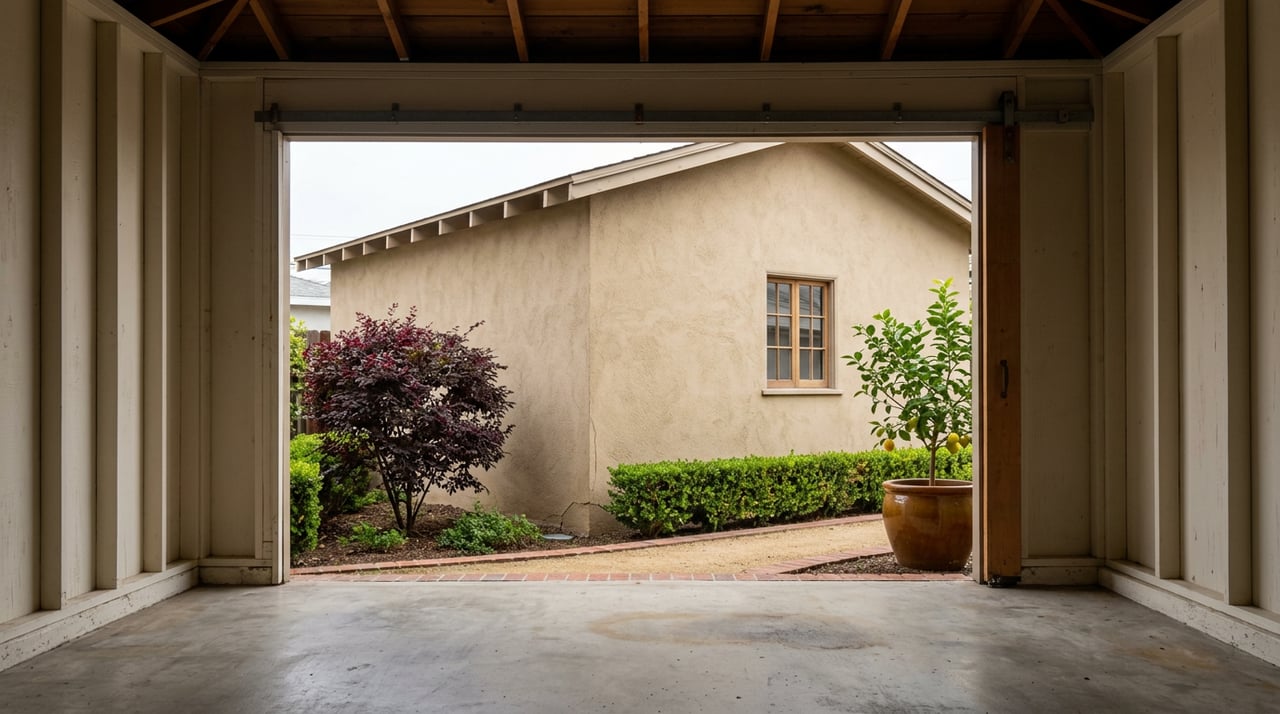
That's why garage conversions have become the default workaround among owners and small investors here. Converting an existing structure preserves the setbacks and general footprint a new detached unit would otherwise have to justify from scratch, which shortens the review conversation considerably. The Historic South Park preservation group, which fields questions on this exact process, distinguishes between major exterior work like porches, windows, and siding and minor changes like paint and fencing, and treats each with a different level of scrutiny.
None of this means South Park bans ADUs, and it doesn't mean state protections disappear at the historic district boundary. Parking exemptions near transit still apply. What changes is the path: a design conversation most of the city skips entirely, and a timeline that has to account for it.
| South Park | North Park | |
|---|---|---|
| Historic District status | Yes, designated 2017, homes built 1905 to 1930 | No blanket historic overlay |
| Review path for exterior ADU work | Discretionary Historic Resources Board review, Certificate of Appropriateness | Ministerial permit review |
| Design expectation | Match historic roofline, porch, siding, window proportions | Standard state ADU design rules |
| Recent ADU permit count | 33 | 117 |
The housing stock on both sides of that table looks nearly identical from the sidewalk. The paperwork does not.
A backyard ADU in North Park has been cited as adding $200,000 to $350,000 in appraised value on a standard lot, a figure that gets repeated often enough to sound like a citywide constant. It was measured in a permitting environment without a design review layer sitting on top of it. A South Park investor running the same math needs to price in an architect who understands Certificate of Appropriateness review, a longer runway before a shovel goes in the ground, and in many cases a garage conversion instead of the larger detached unit that would maximize rent. The uplift may still be real. It is not the same number, and it does not arrive on the same schedule.
The renovation pattern inside the district points to the same conclusion from a different angle. Recent permit activity in South Park skewed heavily toward renovations with no change in unit count, roughly 47 single-family and duplex renovation permits against 23 for multifamily buildings. That's a neighborhood where owners are investing in what they already have rather than adding density, which is exactly what a discretionary review layer would predict. Kitchen and bath work in the district's original Craftsman stock tends to return somewhere in the $0.70 to $0.85 per dollar range at resale, and the properties that keep their original built-ins, trim, and window details while updating those two rooms tend to outperform the ones that strip the character out entirely.
If a South Park listing is being marketed on ADU potential, the question worth asking before making an offer isn't whether the lot can physically hold a unit. Most can. The question is which review path that specific structure falls into, and whether the design constraints point toward a garage conversion or a full detached build.
The same logic runs the other direction for sellers. A South Park owner who has already secured a Certificate of Appropriateness for an ADU, or who can point to a garage conversion that cleared review without friction, is selling more than square footage. They're selling a documented answer to the exact question a buyer's own lender or contractor will raise during due diligence.
Do parking exemptions near transit still apply inside the historic district? Yes. Parking exemptions near transit still apply inside the historic district. What changes is the design review layer sitting on top of the state framework.
Is every property in South Park subject to Historic Resources Board review? Only structures inside the mapped 2017 boundary, and more broadly any building older than 45 years when the proposed work is significant enough to change what the street sees. A property's exact status is worth confirming with the city before finalizing ADU plans, not after.
Does a garage conversion avoid historic review entirely? Not entirely, but it narrows what the Certificate of Appropriateness process has to evaluate, since the existing footprint and setbacks are already established. That's why it has become the more common path among owners here.
South Park's bungalows are exactly what draws buyers to the neighborhood in the first place, and the same designation that protects their character is the reason the ADU conversation looks different than it does two blocks north. A buyer who understands that going in prices the opportunity correctly instead of importing a number from a neighborhood with a different set of rules.
If you're weighing South Park against North Park or another central San Diego bungalow neighborhood for its rental or ADU potential, DuPre Real Estate can walk through what a specific address's historic status actually means for your timeline and your numbers. Schedule your consultation and get the version of this math that applies to the property you're actually considering.
This article is general information, not legal, tax or financial advice. Consult a qualified professional about your situation.
Stay up to date on the latest real estate trends.
We are dedicated to providing the most up-to-date market data in the area. Our team is made up of caring, knowledgeable professionals that work tirelessly to help you with the home buying and selling process.