North Park ADU Guide for Backyard Cottages and Income
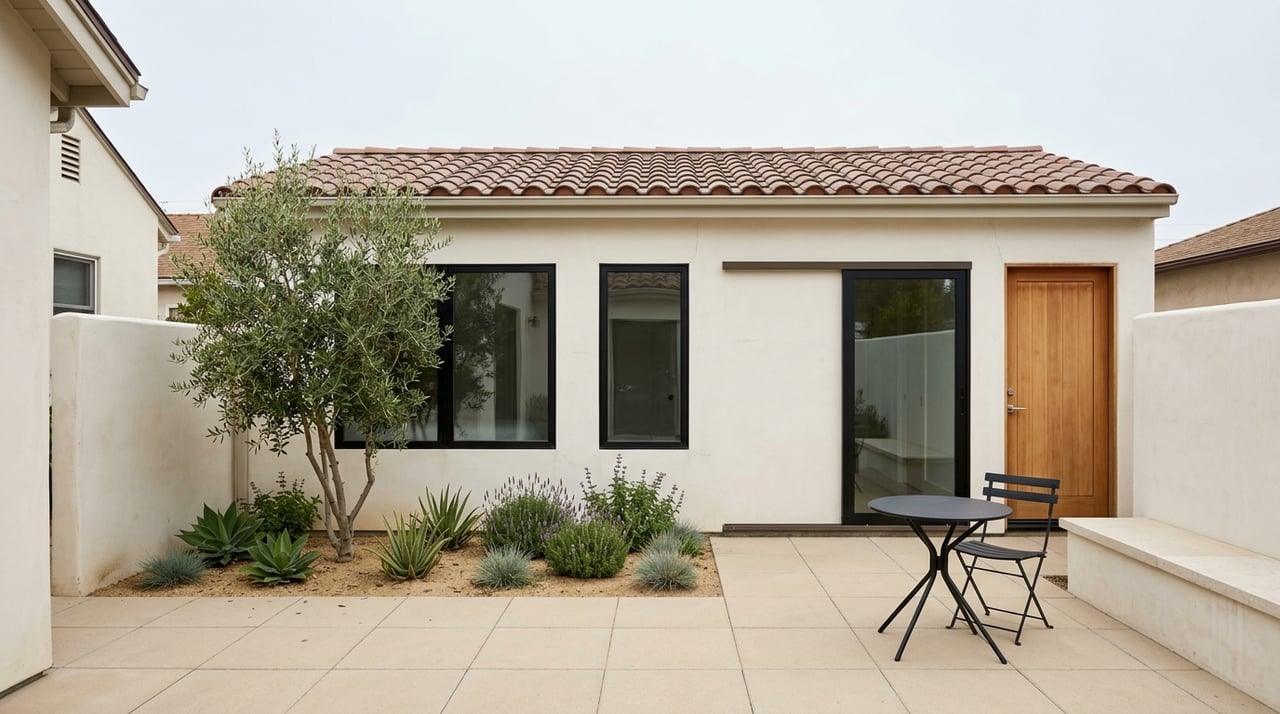
If you own a home in North Park, your lot may be doing more work than you think. An ADU, often called a backyard cottage when it is detached, can create extra living space, support multigenerational needs, or open the door to long-term rental income. In a neighborhood known for older homes, varied lot patterns, and strong architectural character, adding one takes planning, but the upside can be meaningful. Here is what you should know before you move forward.
In San Diego, an accessory dwelling unit is a self-contained attached or detached residential unit on the same lot as a primary home. It must include permanent facilities for living, sleeping, eating, cooking, and sanitation, and it must be 1,200 square feet or less, according to the city’s ADU information bulletin.
In everyday conversation, many homeowners use the term backyard cottage to describe a detached ADU. Whether attached or detached, these units can serve several practical needs, including space for relatives, a home office setup, guest quarters, or a long-term rental. Freddie Mac also notes that rental income from an ADU may, in some cases, help support mortgage qualification for eligible borrowers through certain lending scenarios in the future or at purchase, depending on the loan program and property setup, as outlined in its ADU overview.
North Park is one of San Diego’s older urban communities, with original subdivisions recorded just after the turn of the 20th century. The area includes commercial corridors along with surrounding single-family and multi-family neighborhoods, and the North Park Community Plan reflects that layered, established pattern.
That mix can make ADUs especially appealing here. Many properties already have garages, rear yard areas, or older accessory structures that lead owners to explore conversion or detached-unit options. North Park also has a wide range of housing types, which means ADU potential can vary quite a bit from one parcel to the next.
Another reason ADUs fit North Park is flexibility. In a neighborhood where owners may want room for adult children, aging parents, guests, or tenants, adding a second independent living space can make a property more useful without changing its basic residential character.
North Park is not a blank slate, and that is important. The community plan identifies areas with traditional character, where homes often share similar lot patterns, scale, setbacks, and materials. The plan also points to architectural styles such as California Bungalows, Craftsman variations, Spanish Colonial Revival, Mission Revival, and Minimal Traditional, with hundreds of classic Craftsman houses across the area, according to the full North Park Community Plan document.
For you as a homeowner, that means design fit matters even when an ADU is allowed. A successful project will usually feel secondary to the main home and work with the scale and visual rhythm of the lot. That does not mean you need to copy every detail of the original house, but it does mean compatibility often helps the final result feel more natural.
Some parts of North Park are within designated historic districts or may be under review for historic district status. That does not automatically prevent an ADU, but it does mean you should confirm whether preservation rules, historic-resource status, or design review could apply to your property before you spend time and money on plans. The city’s historic districts resource is a smart place to start.
This step matters because two homes on nearby blocks can have very different constraints. If your home has historic relevance or sits within an area subject to preservation review, your ADU path may involve added design considerations.
Before you sketch layouts or price construction, confirm the basics for your parcel. San Diego’s ADU bulletin explains that in single-dwelling-unit zones, a lot can generally have one primary dwelling, one attached or detached ADU, one conversion ADU from existing dwelling or accessory space, and one JADU. Because North Park includes both single-family and multi-family areas, the exact allowance depends on your zoning and parcel details, so city verification is essential through the zoning and parcel information tools referenced in the city bulletin.
Here are the first items to check:
For many North Park homeowners, parking is one of the first concerns. The good news is that San Diego’s ADU rules are relatively favorable in this area. For parcels outside the Coastal Overlay Zone, the city says no parking spaces are required for ADUs, and if you convert a garage, carport, or covered parking structure, replacement parking is generally not required, based on the city ADU bulletin.
That can make garage conversions or detached backyard projects more feasible than many owners expect. Even so, you still want to think through how access, storage, and day-to-day parking will work for your household and any future occupants.
Every ADU or JADU requires a building permit in San Diego. The city accepts applications through its digital permitting system, and it also offers preapproved plans. If you use a preapproved plan, the review is subject to a 30-day timeline, according to the city guidance.
California’s ADU guidance from HCD also helps explain why this process is generally more standardized than a discretionary development review. ADU approvals are ministerial, which means they are reviewed against objective standards rather than going through a public hearing process.
That does not make every project simple, but it does give homeowners a more predictable framework. In practical terms, the biggest delays often come from parcel-specific design issues, missing documents, or not confirming zoning and site constraints early enough.
Construction cost is only one part of the picture. San Diego notes that owners should also plan for city fees and, in some cases, school or development impact fees as part of the ADU process, as outlined in the same bulletin.
That is why early feasibility work matters. Before you commit to a design direction, it helps to understand whether your lot needs retaining walls, utility upgrades, access improvements, or site work that could affect the total investment.
Many owners ask the same question: will an ADU increase value? The honest answer is that there is no universal formula. What the research does support is that ADUs can add flexibility, and lenders such as Freddie Mac state that ADUs may increase long-term property and resale value, while also recognizing that some financing programs may allow rental income considerations in certain cases, as explained in Freddie Mac’s ADU lending guidance.
In North Park, the most compelling resale story is often a permitted ADU that fits the lot well and preserves the street presence of the main house. A detached unit that feels subordinate, functional, and architecturally compatible may appeal to future buyers who want options for guests, family, workspace, or rental income. That is not a guaranteed valuation rule, but it is a practical way to think about long-term marketability based on the city’s design framework and lender treatment of ADUs.
The right ADU plan starts with your real goal. Freddie Mac points to several common use cases, and those line up closely with how many North Park owners think about their properties.
A backyard cottage may work well if you want:
When your use case is clear, the design choices become easier. Entry placement, privacy, yard layout, storage, and utility planning all flow from how you expect the space to function.
Before moving ahead, keep your process grounded in a few practical checkpoints.
Start with zoning, overlays, and historic status. In North Park, no two lots are exactly alike, and assumptions can get expensive quickly.
Decide whether the ADU is for family use, long-term rental, workspace, or future resale flexibility. Your goal will shape size, layout, and budget priorities.
In a neighborhood with strong traditional architecture, compatibility counts. A well-scaled ADU often performs better aesthetically and functionally than a structure that tries to dominate the site.
Make sure you understand what permits are required, whether a preapproved plan makes sense, and what city or impact fees may apply.
Even if you plan to keep the property for years, think about how a future buyer will view access, privacy, outdoor space, and the relationship between the main house and the ADU.
Adding a backyard cottage in North Park can be a smart way to create space, flexibility, and possible long-term income, but the best outcomes usually come from starting with the right parcel research and a design that respects the property’s setting. If you are weighing whether an ADU makes sense for your home, investment plans, or future resale goals, Diana DuPre can help you think through how ADU potential may fit into your broader North Park real estate strategy.
Stay up to date on the latest real estate trends.
We are dedicated to providing the most up-to-date market data in the area. Our team is made up of caring, knowledgeable professionals that work tirelessly to help you with the home buying and selling process.