Pacific Beach Rental Investment: Strategies to Consider
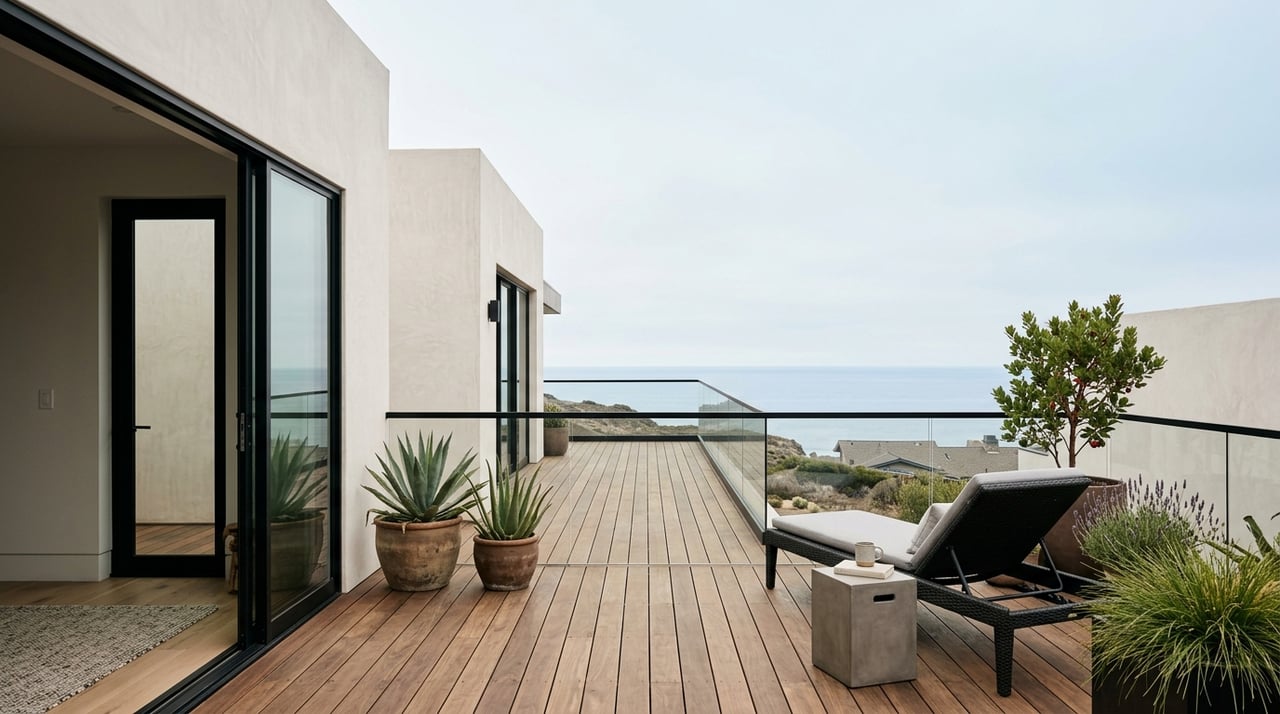
If you are eyeing Pacific Beach for rental property investing, you are probably asking the right first question: what strategy actually fits this market? Pacific Beach offers strong coastal appeal, a renter-heavy housing base, and busy summer demand, but it also comes with high purchase prices and important rules that can quickly change your numbers. This guide will help you sort through long-term, furnished mid-term, and short-term rental options so you can evaluate Pacific Beach with more clarity and confidence. Let’s dive in.
Pacific Beach is one of San Diego’s best-known coastal communities, and the city describes it as an eclectic area with nearly 47,000 residents, about 1,500 businesses, and some of the busiest beach activity in the region during summer months. That matters because rental demand in Pacific Beach is not tied to just one type of renter. According to the City of San Diego’s Pacific Beach community overview, the area attracts professionals, families, young adults, students, surfers, and retirees.
The neighborhood is also heavily built out. The city says Pacific Beach is about 97% developed and largely functions as an infill market, which limits new supply and makes many opportunities more about renovation, repositioning, or better operations than new construction. You can review that context in the Pacific Beach community profile.
For investors, that combination can be appealing. You are looking at a coastal market with constrained supply, established demand, and a housing mix that already supports rental activity.
In the city’s 2021 planning-area estimate, Pacific Beach had 22,374 housing units, 21,297 households, and a 4.8% vacancy rate. The housing stock was roughly 61.7% multifamily, with detached and attached single-family homes making up the balance, based on the city demographic data report.
That data helps explain why Pacific Beach often behaves more like a condo and apartment rental market than a large-lot home market. It is also a renter-heavy area. RentCafe market data indicates roughly 69% of households are renter occupied, reinforcing the idea that leasing is a core part of the local housing picture.
Pricing is the challenge. Zillow’s home value page for Pacific Beach placed typical home value at $1,385,798 as of February 28, 2026, while rental data sources put average or median rent in the high $2,800 to high $2,900 range. These figures should be used as broad market context, not property-level underwriting, but they point to a key reality: entry costs are high, so strategy matters.
Pacific Beach can support different rental models, but they do not carry the same risk, effort, or regulatory burden. Before you buy, it helps to decide whether you want:
A good rule of thumb is to underwrite the property first as a standard long-term rental. If a mid-term or short-term plan works legally and operationally, you can treat that as upside rather than your only path to making the numbers work.
For many investors, long-term leasing is the most straightforward place to start. Pacific Beach draws a broad mix of residents, which can support steady demand across studios, one-bedroom units, two-bedroom units, and smaller attached homes. Based on RentCafe’s Pacific Beach rent trends, studios averaged about $2,065, one-bedrooms about $2,576, and two-bedrooms about $3,511, while other sources like Zumper showed similar directional pricing.
This points to an important product fit. In Pacific Beach, smaller units often align better with the local housing stock and renter base than larger detached homes. Houses can command a premium, but condos, apartments, and smaller multifamily units may offer more consistent alignment with how the neighborhood functions.
A long-term strategy usually offers the clearest operating plan. You may see fewer turnovers, less furnishing expense, and less booking volatility than you would with a more hospitality-driven model.
It may also involve less regulatory complexity than short-term rentals. That does not mean simple underwriting is enough, but it does mean your day-to-day management burden may be easier to predict.
California’s Tenant Protection Act can affect many long-term rentals. Under California Civil Code Section 1947.12, many covered properties are subject to annual rent increase caps and just-cause rules after 12 months of occupancy.
There are exemptions, including some newer housing and certain separately owned single-family homes or condos that meet notice requirements. Because Pacific Beach has older, built-out housing stock, you should verify AB 1482 coverage on a property-by-property basis rather than assume a unit is exempt or covered.
If you want more flexibility than a standard annual lease without stepping fully into vacation-rental rules, furnished mid-term leasing may be worth a closer look. In San Diego, rentals of 30 days or longer are generally outside the city’s short-term residential occupancy and transient occupancy tax framework, because the city’s transient rules apply to stays of less than one month. You can review that threshold through the City of San Diego TOT guidance.
For some investors, this creates a useful middle lane. Pacific Beach has high rent levels, a coastal lifestyle draw, and a broad resident mix, all of which can make furnished monthly rentals appealing for people seeking temporary housing.
A mid-term model can give you higher monthly pricing potential than a standard unfurnished lease while avoiding some of the licensing friction tied to shorter stays. It can also create flexibility if you want to adapt to shifting market conditions.
That said, this approach is not passive. Furnished rentals often require more setup, more frequent turnover, utility management, replacement costs, and greater wear on the property.
Before choosing this strategy, make sure you account for:
You should also remember that the city says owners who rent all or part of a property for more than six days in a calendar year are responsible for Rental Unit Business Tax. The city’s short-term residential occupancy page is a good place to confirm registration requirements.
Pacific Beach clearly has vacation-rental appeal. The area is one of San Diego’s busiest beaches, and summer activity can support strong seasonal demand. The tradeoff is that this strategy comes with the most regulation, the most operational intensity, and often the most neighborhood sensitivity around noise and parking.
If you are considering stays of less than one month, San Diego requires a short-term residential occupancy license, and operating without one is unlawful. For an investor-owned whole-home rental in Pacific Beach, the relevant category is generally Tier 3, since Pacific Beach is outside Mission Beach, according to the city’s STRO program page.
Tier 3 is not unlimited. The city caps licenses outside Mission Beach at 1% of housing units, requires a two-night minimum stay, and requires at least 90 days of annual short-term use to keep the license valid.
The city also reported 4,711 Tier 3 licenses issued with 895 remaining as of March 27, 2026. That is useful context if you are evaluating timing, availability, and competitive pressure.
As of March 1, 2025, Tier 3 application fees were $41 and the license fee was $1,129, with licenses expiring after two years. On top of that, San Diego’s transient occupancy tax rates increased effective May 1, 2025 to 11.75%, 12.75%, or 13.75%, depending on the property’s tax zone, and operators must obtain a TOT certificate and remit tax monthly.
These costs do not automatically make the strategy unattractive, but they do mean your margin can narrow quickly if you underestimate compliance, management time, or slower seasons.
The city also states that:
For small investors, those limits matter. They can shape whether a vacation-rental strategy fits your portfolio goals or whether a long-term or mid-term plan offers a better balance of risk and return.
If you are attracted to short-term rental income, be realistic about seasonality. A historical city memo included in a coastal-zone exhibit found annual occupancy in the coastal zone averaged about 78%, rising to about 86% from June through August. While that is not a current Pacific Beach-only statistic, the California Coastal Commission exhibit offers a useful benchmark for the seasonal pattern common to beach markets.
In other words, summer can be strong, but your annual performance depends on how well you plan for the full calendar year. That is one reason many investors prefer to underwrite conservatively and treat peak-season results as a bonus rather than a baseline.
In Pacific Beach, the details matter. Because the area is older, built out, and shaped by local planning and city rules, parcel-level due diligence is especially important.
Before you move forward, review:
The Pacific Beach community planning resources can also help you understand the local framework that may affect a specific property.
For many small portfolio owners, Pacific Beach works best as a market where operations drive outcomes. The location is attractive, but high pricing means you need a realistic plan from day one.
Here is a simple way to think about it:
| Strategy | Best For | Main Advantage | Main Caution |
|---|---|---|---|
| Long-term rental | Investors seeking stability | Broad demand and simpler operations | Rent caps or just-cause rules may apply |
| Furnished mid-term | Investors wanting flexibility | Higher monthly potential with less STR regulation | More turnover and furnishing costs |
| Short-term rental | Investors pursuing seasonal upside | Strong beach demand in peak months | Licensing, taxes, and compliance are significant |
If you are unsure, the conservative move is usually best. Underwrite the asset as a long-term rental first, then explore mid-term or short-term upside only if the property, rules, and management plan all support it.
Pacific Beach can offer compelling rental opportunities, but it rewards careful buyers more than casual ones. If you want help evaluating a condo, small multifamily property, or coastal rental opportunity in Pacific Beach, connect with Diana DuPre for thoughtful, neighborhood-level guidance tailored to your investment goals.
Stay up to date on the latest real estate trends.
We are dedicated to providing the most up-to-date market data in the area. Our team is made up of caring, knowledgeable professionals that work tirelessly to help you with the home buying and selling process.