Hillcrest Condo Living: What Buyers Should Understand First
Thinking about a Hillcrest condo to stretch your budget and simplify maintenance? You are not alone. Condos around Roseville’s Hillcrest area can deliver great value, but success comes from understanding HOA rules, building health, and financing early. In this guide, you will learn what types of condos you will see, how dues work, which California laws now shape disclosures, and the must-do steps before you remove contingencies. Let’s dive in.
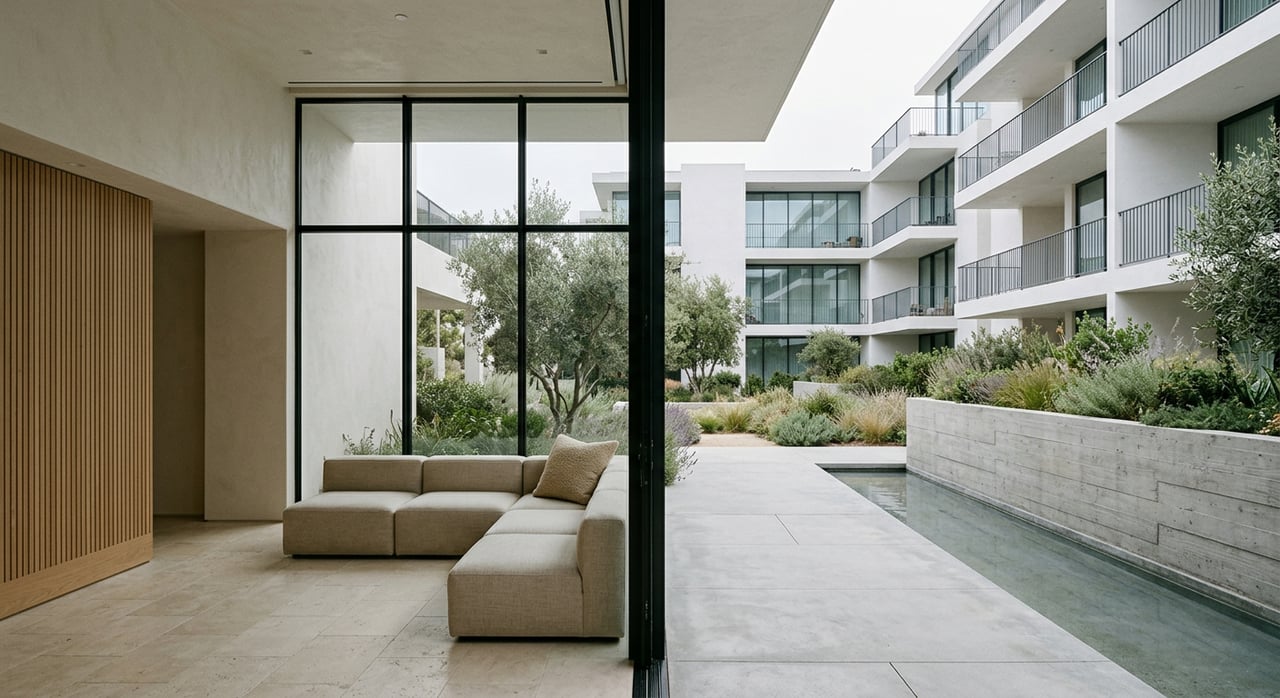
Most Hillcrest options are low-rise, garden-style condos or townhomes. Expect two to three stories, shared walls, assigned parking, and amenities like a pool or small gym. In 2024 through 2026, resale units in nearby 95678 commonly traded from the mid-$200,000s to mid-$400,000s, based on recorded sales and local property records such as a recent 95678 condominium record on Vernon Street.
Converted lofts or warehouse-style buildings are not common inside Hillcrest. If you want that character, you may need to widen your search to nearby historic downtowns like Old Town Auburn or into Sacramento’s urban core.
Newer mid-rise buildings with enhanced amenities are limited within Hillcrest itself. In Placer County, recent condo construction tends to cluster closer to major retail hubs or master-planned areas, which can carry higher HOA dues along with more amenities.
Hillcrest-area HOA dues often range from about 200 to 405 dollars per month depending on amenities and the size of the community. Smaller garden complexes tend toward the lower end, while resort-style communities with a pool, gym, and clubhouse land higher.
Dues typically cover:
Dues usually do not cover:
To avoid gaps, review the master policy and get an HO-6 quote early. The community-association insurance manual explains how master policies and unit owners’ policies fit together so you can right-size coverage.
California treats condos and planned developments as “common-interest developments,” governed by the Davis-Stirling Act. Sellers must provide a resale disclosure packet with key association documents, financials, and more. You will want to read this packet closely because it defines daily life and long-term costs.
Two state laws now make balcony and walkway safety a central part of condo due diligence:
Learn more in the Davis-Stirling disclosure rules summary, the SB 326 statute, and the SB 410 bill text and status page.
Your loan approval depends not only on you, but also on the condo project. Many conventional and government-backed programs require the building to meet project eligibility standards. Lenders will review items like owner-occupancy ratios, assessment delinquency, budget reserves, master insurance, and litigation. If the project misses the mark, it can be labeled non-warrantable, which limits loan options and may require larger down payments or cash.
Avoid surprises by telling your lender you are buying a condo from day one and asking for an early project review. The Fannie Mae project standards outline the common checkpoints lenders use and the frequent blockers to approval.
When your offer is accepted, make sure the seller or escrow orders the full resale package right away. Use this checklist to focus your review:
In 2024 through 2026, Hillcrest-area and 95678 condo resales commonly ranged from the mid-$200,000s to the mid-$400,000s. A nearby property record at 1675 Vernon Street helps illustrate the type of garden-style product in this micro-market. While condos often have a lower purchase price than single-family homes, plan for the full monthly cost, not just the mortgage.
A simple budgeting framework:
Use this framework to compare complexes with different dues and amenities. A slightly higher HOA that funds reserves well can be a better long-term value than a low-dues community with deferred maintenance.
The details above are what separate a smooth condo purchase from a stressful one. In Hillcrest, where garden-style communities dominate and amenities vary, the best first step is to combine a lender conversation with an early request for the HOA resale packet. That pairing helps you confirm both financing and building health before you commit.
If you would like help reading an HOA package or you want a second set of eyes on project eligibility, reach out. A quick strategy call can save you time and give you clarity before you write an offer. Connect with Diana DuPre to get started.
Stay up to date on the latest real estate trends.

We are dedicated to providing the most up-to-date market data in the area. Our team is made up of caring, knowledgeable professionals that work tirelessly to help you with the home buying and selling process.