How to Sell a Luxury Home in La Jolla, From Prep to Close
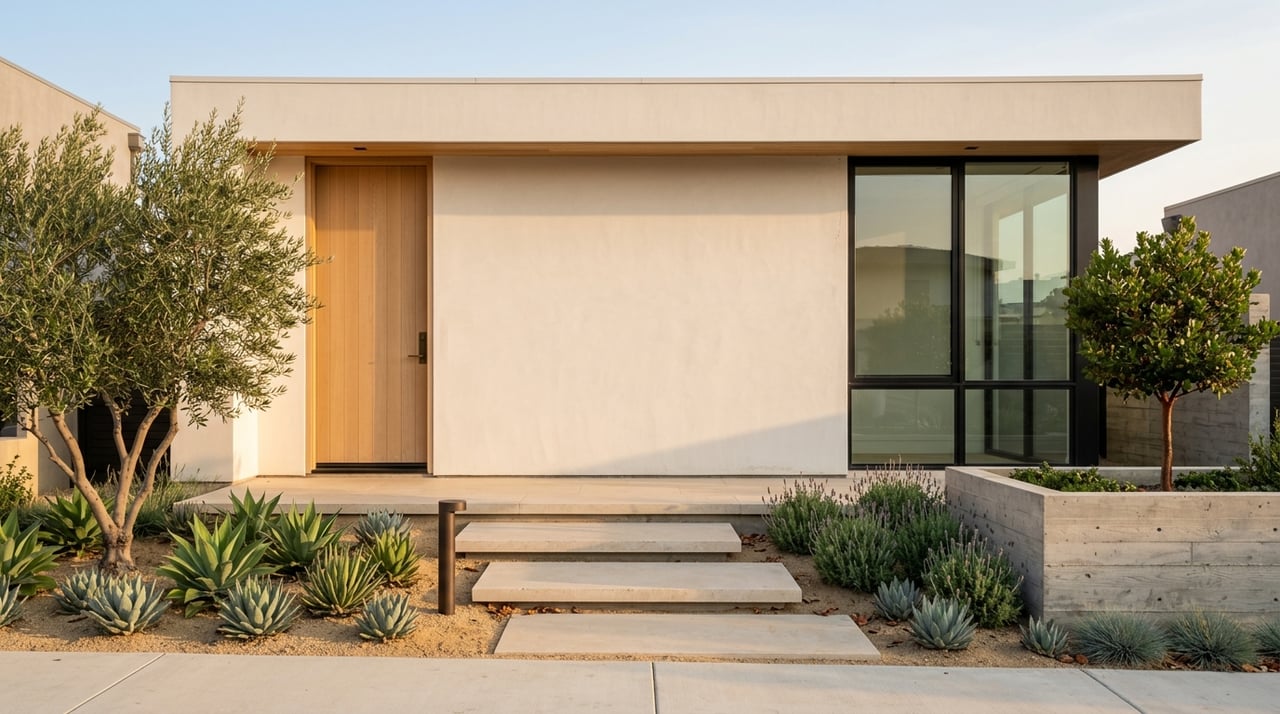
Selling a luxury home in La Jolla is not just about putting a sign in the yard and waiting for offers. In a market where one property can move in days and another can sit for months, your outcome often depends on the details you handle before launch. If you want to protect value, attract serious buyers, and move from prep to closing with fewer surprises, this guide will walk you through the process step by step. Let’s dive in.
La Jolla remains a somewhat competitive market, but broad numbers only tell part of the story. Redfin reported a median sale price of $2,406,500 and 44 median days on market in March 2026, while Zillow estimated an average home value of $2,459,088 as of April 30, 2026. Those figures are useful for context, but they measure different things, so neither should be treated as the full pricing story for your home.
What matters more is your micro-market. In Village, Redfin reported a median sale price of $2,468,750 and 53 days on market in March 2026, while recent La Jolla Heights sales ranged from 1 day to 213 days on market. That kind of spread shows why pricing and positioning need to be block-specific and tailored to your home’s views, lot, condition, and coastal exposure.
Luxury market trends also support a selective, strategic approach. Nationally, Redfin reported a median luxury sale price of $1.395 million in March 2026, with luxury homes taking 73 days to sell on average. At the same time, the most desirable homes still attracted strong competition, including cash offers and waived contingencies.
Before you think about photography or pricing, get the home and paperwork in order. In California, the Transfer Disclosure Statement must be delivered as soon as practicable and before title transfer. The California Department of Real Estate also notes that the disclosure is not a warranty and not a substitute for inspections.
This step deserves close attention in a luxury sale. The DRE states that sellers may be responsible for disclosure obligations to the same or even greater extent than the seller’s agent. That makes experienced broker oversight especially important when your property has custom features, renovation history, or site-specific coastal conditions.
California’s Natural Hazard Disclosure rules cover mapped flood, fire, earthquake fault, seismic hazard, and other designated hazard zones. In La Jolla, coastal properties may also require added attention because of bluff-edge erosion, permit conditions, and current or potential future sea-level-rise vulnerabilities, according to California Coastal Commission guidance.
If your property sits near the coast or on a bluff, this is not an area to rush. Early review can help you avoid last-minute questions during escrow and support a smoother transaction.
Some disclosures depend on the age and type of property. If your home was built before 1978, federal law requires disclosure of known lead-based paint and lead-hazard information before the sale of most housing. California also requires a smoke-detector compliance statement in single-family sales and written certification that the water heater is anchored, braced, or strapped against earthquake motion.
If your property is a condominium or part of a common interest development, your document package typically includes:
The DRE notes these materials must be delivered before close of escrow. In many condo and attached-home sales, organized document management is a major part of the closing process.
Presentation matters in every market, but it matters even more when buyers expect a polished luxury experience. According to the 2025 Profile of Home Staging from NAR, 29% of agents said staging increased the dollar value offered by 1% to 10%, and 49% observed faster sales. That does not guarantee the same result for every property, but it does support staging as a practical part of launch strategy.
The same report found that buyers’ agents identified the living room as the most important room to stage, followed by the primary bedroom and kitchen. If you are prioritizing time and budget, those spaces deserve special focus because they tend to shape the first impression buyers carry through the rest of the home.
Your goal is not to over-renovate right before listing. Instead, focus on updates that improve presentation and reduce buyer distraction. Research cited by Redfin notes that interior painting is one of the most common pre-list updates, and buyers respond best to homes that feel clean, organized, well-maintained, and free of major repairs.
In a La Jolla luxury listing, that can mean simplifying furnishings, refining outdoor living spaces, and making sure sightlines, light, and architectural details stand out clearly. Photo-forward presentation is especially important for homes with views, terraces, and strong indoor-outdoor flow.
When buyers begin their search, visuals often shape whether they book a showing. NAR found that photos were much or more important to clients for 73% of buyers’ agents, compared with 48% for video and 43% for virtual tours. Sellers’ agents also ranked photography very highly, with 88% saying photos were highly important.
That supports a launch plan built around professional photography, video, and cohesive property presentation. For a La Jolla home, marketing should help buyers understand not only the floor plan, but also the setting, scale, natural light, and lifestyle feel of the property.
Many sellers want to know the “best” week to list. Broad seasonal guidance can help, and Redfin says homes tend to sell fastest and for the most money between late March and April. Still, in a luxury market, the better rule is to launch only after the home is fully prepared and professionally photographed.
A rushed listing can cost more than a short delay. If your home reaches the market before the staging, disclosures, repairs, and media are ready, you may miss the strongest first wave of buyer attention. In a place like La Jolla, first impressions often shape both traffic and negotiating power.
Pricing a luxury home in La Jolla requires more than checking neighborhood averages. The best pricing strategy is based on recent sold comparables that closely match your home’s location, views, lot, condition, and exposure to the coast. A home on one block can compete with a very different buyer pool than a home just a few streets away.
Recent La Jolla Heights sales show why broad assumptions can be risky. With some homes selling in 1 day and others taking 213 days, the market clearly rewards the right combination of presentation and initial pricing. That does not mean every fast sale was priced low or every long sale was overpriced, but it does show how sensitive this segment can be.
Luxury sellers sometimes assume they can start high and reduce later if needed. In reality, stale market time can weaken your leverage, especially when buyers have access to fresh listing alerts and detailed sales history. The strongest launch often comes from entering the market with a price supported by relevant sold data and a clear understanding of your competition.
In La Jolla, that pricing conversation should be disciplined and local. A broad zip-code average cannot account for view corridors, remodel quality, bluff considerations, or architectural appeal the way true micro-market analysis can.
In the luxury segment, the best offer is not always the one with the highest number on page one. Redfin reported that desirable homes can still attract cash offers and waived contingencies, and NAR found that equity-rich buyers are making larger down payments and all-cash offers more often. That means strength, certainty, and timing can matter just as much as nominal price.
When offers come in, look at the full package:
A clean, well-supported offer may produce a better real-world outcome than a slightly higher offer with more risk. This is where experienced negotiation and careful review can protect both your timeline and your net result.
Once you are in escrow, the process becomes less about marketing and more about execution. Title insurance may be advisable because prior recorded liens and encumbrances can affect ownership rights. At this stage, your transaction often depends on timely document delivery, buyer due diligence, and proactive issue management.
For condominiums and other common interest developments, organization matters even more. Governing documents, association financial information, and related materials must be delivered before close of escrow, so delays in collecting or reviewing them can slow the transaction. In higher-value sales, smooth closings usually come from strong coordination, not from improvising late in the process.
Luxury homes tend to come with more variables, from coastal disclosure issues to custom improvements to buyer expectations around presentation and timing. In California, the DRE makes clear that sellers carry meaningful disclosure responsibilities, which is one reason senior-level oversight can make a real difference.
In a boutique brokerage setting, that often means more direct review of pricing, disclosures, negotiations, and launch quality. For La Jolla sellers, that kind of hands-on guidance can help align the home’s story, the market data, and the transaction strategy from day one through closing.
If you are preparing to sell in La Jolla, a thoughtful process can help you avoid rushed decisions and position your home more effectively from the start. For tailored guidance, broker-level oversight, and a marketing plan built around your property and its exact micro-market, connect with Diana DuPre.
Stay up to date on the latest real estate trends.
We are dedicated to providing the most up-to-date market data in the area. Our team is made up of caring, knowledgeable professionals that work tirelessly to help you with the home buying and selling process.