South Park San Diego Restaurants & Cafes for New Locals
If you just moved to South Park, one question comes up fast: where should you actually go first? In a neighborhood known for its compact commercial core and easy walking rhythm, the answer is less about one must-try spot and more about how the area fits into your everyday routine. This guide will help you get to know South Park’s food and coffee scene, what makes it feel distinct, and how a few local stops can quickly make you feel at home. Let’s dive in.
South Park sits east of Balboa Park, between North Park and Golden Hill. According to the City of San Diego, the neighborhood’s main commercial area centers on 30th Street and Fern Street, which helps create a smaller, more walkable experience than a typical dining district.
That layout matters when you are new to the area. Instead of driving from place to place, you can build a morning or evening around a short stroll, a coffee stop, a meal, and a practical errand. The South Park Business Group also highlights the neighborhood’s Walkabouts and local business events, which reinforce that connected, on-foot lifestyle.
Part of South Park’s appeal is that the dining and coffee scene is woven into a historic residential neighborhood. City historic resources materials describe South Park as an early 20th-century streetcar suburb, with major growth beginning around 1905 and a historic district period from 1906 to 1930.
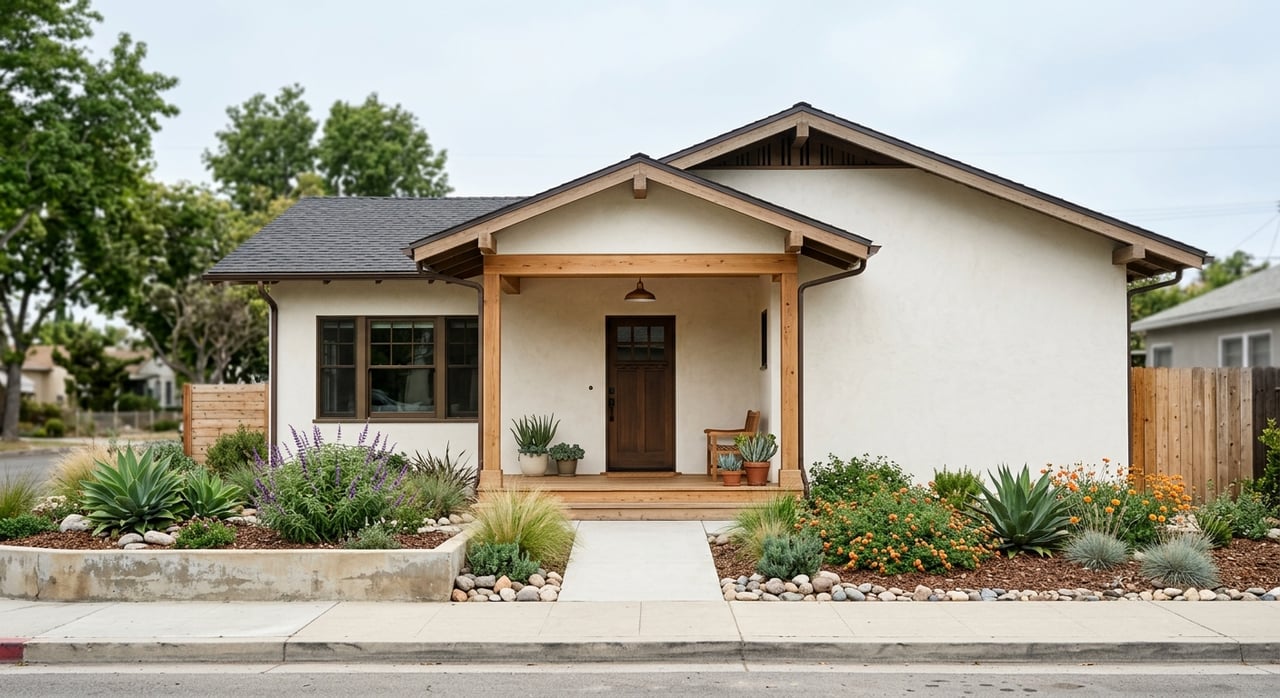
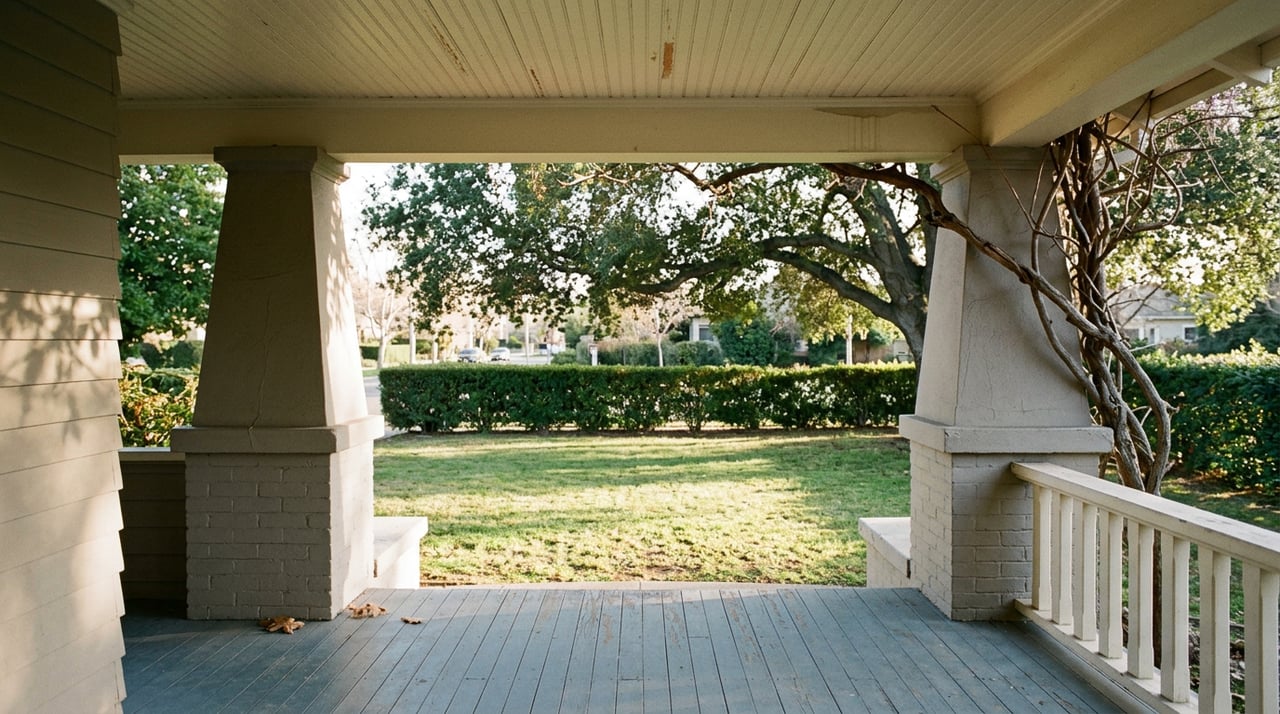
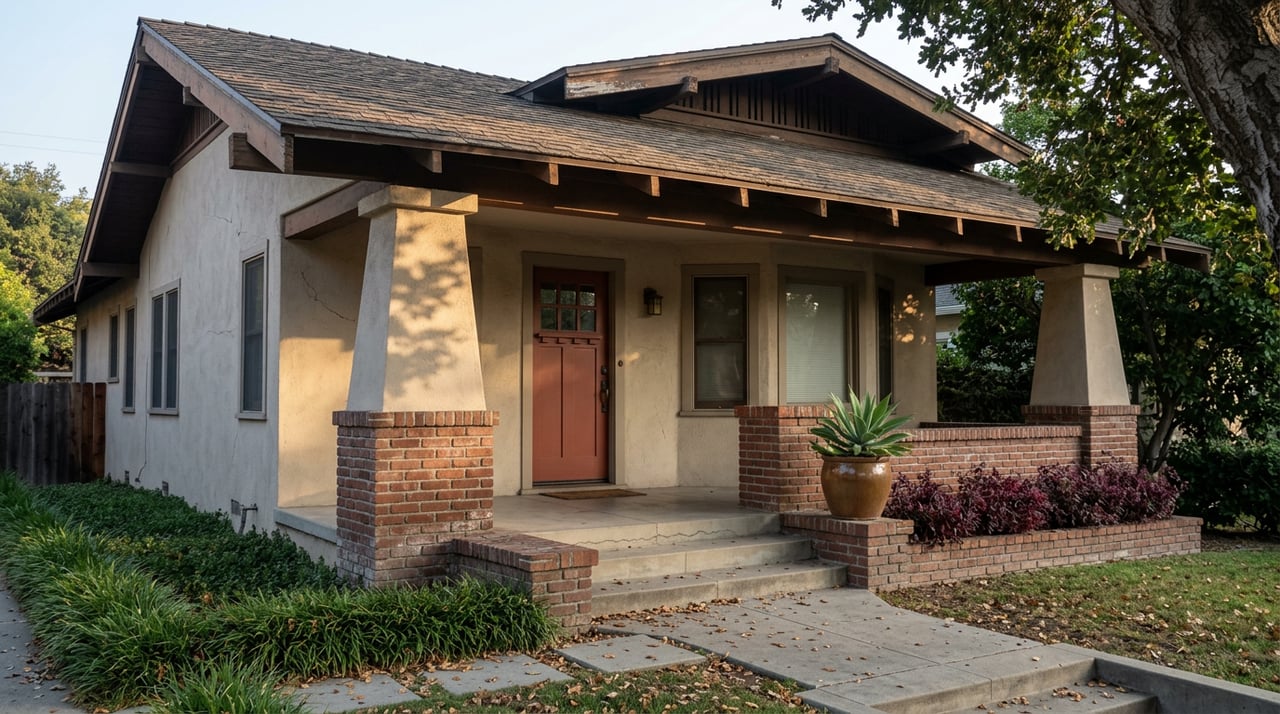
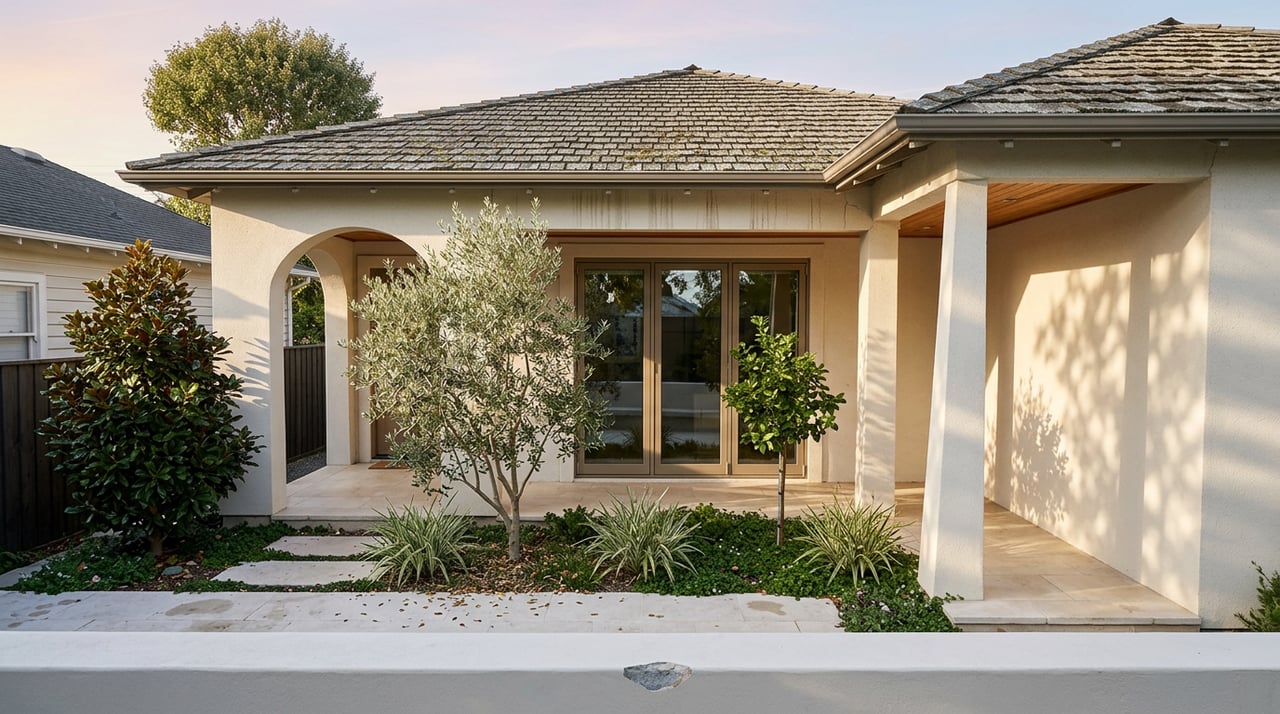
You will see that history in the surrounding homes and buildings. The city notes that Craftsman is the dominant architectural style, with additional Prairie, Mission Revival, Spanish Eclectic, Colonial Revival, Tudor, Italianate, Swiss Chalet, and Streamline Moderne examples throughout the area.
For new locals, that means your weekend coffee or dinner often comes with a walk past bungalows, single-family homes, and multi-family buildings that give the neighborhood its character. The business cluster around 30th, Fern, Beech, Juniper, and Grape feels connected to daily life, not separate from it.
Communal Coffee is a natural first stop if you want a polished coffee experience with a little extra atmosphere. Its collaboration with Native Poppy makes it an easy choice when you want to pair your drink with a quick browse through flowers and curated gifts.
For a new local, this is the kind of place that helps you learn the neighborhood’s pace. You can grab coffee, walk a few blocks, and start noticing which corners and storefronts feel like part of your future routine.
Café Madeleine brings a French-inspired option to South Park, with espresso drinks, crêpes, paninis, and outdoor seating. If you are looking for a slower morning or a casual midday stop, it offers a comfortable option that goes beyond a quick caffeine run.
This is also a good reminder that South Park’s scene is varied without feeling overwhelming. You can find a distinct style of café experience while still staying within the same compact neighborhood core.
If you like a specialty-roaster feel, Dark Horse Coffee Roasters adds that energy on Juniper Street. The shop also offers ice cream and donuts, which makes it a flexible stop whether you are starting your day or taking an afternoon break.
For many new residents, places like this become repeat stops because they fit real life. You are not planning a major outing. You are just walking over for something good and staying a little longer than expected.
Seven Seas Roasting stands out for its emphasis on traceable, transparent, fairly traded sourcing. If coffee quality and origin matter to you, this is one of the neighborhood stops worth putting on your early rotation.
South Park works well for people who enjoy having choices close together. You can test a few favorite coffee spots within a short distance and decide which one fits your weekday pace and which one feels best for weekends.
Harland South Park broadens the neighborhood’s daytime mix with breakfast, coffee, and beers on tap in a family-friendly setting. That makes it useful when your plans may stretch from a casual morning into lunch or a more social afternoon.
For new locals, all-day places can be especially helpful. They let you meet friends, settle into the area, and return at different times without needing a totally different plan.
Big Kitchen Cafe is one of South Park’s key breakfast anchors at 3003 Grape Street. Its official site highlights house-baked muffins and coffee cake, weekend live music, outdoor seating, and vegetarian-friendly dishes like tofu rancheros, a tofu burger, and other veggie plates.
If you want a breakfast spot that feels rooted in the neighborhood, this is a strong place to begin. It offers the kind of familiar, welcoming morning experience that can quickly become part of your weekend routine.
Kindred is South Park’s plant-based anchor and is known for vegan dining, inventive cocktails, and weekend brunch. For new locals who want meat-free options without sacrificing atmosphere, it is one of the neighborhood’s standout destinations.
Kindred also shows the range South Park offers in a small footprint. You are not limited to one type of dining experience, even within a relatively compact commercial area.
Buona Forchetta keeps South Park’s Italian lane strong with award-winning pizza and handmade pastas. It remains a dependable lunch and dinner anchor, which is exactly what many people want when learning a new neighborhood.
Reliable neighborhood restaurants matter because they become your default choice for easy nights. When you know you can walk over for a solid meal, the area starts feeling less unfamiliar and more like home.
Carbon Angela’s Kitchen brings a family-run, Italian-influenced modern European option to 30th Street. If you are looking for a smaller-scale, cozy dinner setting, it adds welcome variety to the neighborhood mix.
South Park benefits from having places that feel personal rather than interchangeable. That helps new residents connect with the neighborhood on a local level instead of treating it like a generic dining zone.
Station Tavern is a go-to for casual comfort food, with craft beer, a full bar, backyard seating, and a dog-friendly outdoor space. If you want an easy, low-pressure place to meet up or unwind, it checks a lot of boxes.
This kind of spot also reflects how South Park blends daily life and leisure. You can bring your dog, sit outside, and keep the outing simple.
Fernside Bar & Kitchen carries the neighborhood into the evening with craft cocktails and chef-driven fare on Fern Street. When you are ready to explore South Park after dark, it is one of the places that helps round out the local dining picture.
Because the commercial core is compact, an evening out here can still feel easy and neighborhood-scaled. You do not need a big plan to enjoy it.
The Rose Wine Bar adds a brunch-to-dinner option with natural wine, tastings, a wine club, private events, and catering. It gives South Park another layer for locals who enjoy a more leisurely social stop.
For newcomers, places like The Rose help you build connections over time. A neighborhood often starts to feel familiar when you have a few dependable spots for both everyday meals and more relaxed occasions.
Pop Pie Co. & Stella Jean’s Ice Cream is one of the most useful hybrid stops in South Park. With savory pies, small-batch ice cream, and specialty coffee under one roof, it works for lunch, dessert, or a casual in-between stop.
That flexibility fits the neighborhood well. South Park is at its best when you are not overplanning and can move naturally from one stop to the next.
One of the clearest lifestyle takeaways in South Park is that the neighborhood is easy to enjoy as a walkable loop. The local business group promotes Walkabouts and seasonal stroll-style events, which match how the area functions day to day.
A simple South Park weekend might look like this:
That mix is a big reason people connect with South Park so quickly. You can enjoy the neighborhood without making every outing a major event.
South Park is not just about where you eat. It also supports the kind of daily routine that helps a neighborhood feel livable.
Food Bowl Market & Deli provides produce, meats, packaged goods, household essentials, beer, and wine. South Bark Dog Wash sits in the commercial core too, reinforcing how errands, pet care, and dining all fit into one compact area.
That convenience can be easy to overlook when you are comparing neighborhoods. But once you live nearby, having useful everyday stops close to your favorite coffee and meal spots can make a real difference.
Balboa Park is another major advantage for new South Park locals. The City of San Diego says the park spans 1,200 acres and includes gardens, trails, museums, performing arts organizations, and the San Diego Zoo.
In practical terms, that means a South Park coffee run can easily turn into a park walk or a longer weekend outing. If you are looking for a neighborhood routine that blends local business support with access to one of San Diego’s signature public spaces, South Park makes that easy.
For buyers, South Park’s food and coffee scene says something bigger than where to eat. It shows how the neighborhood functions on a daily basis. The appeal is not only the restaurants themselves, but how closely they connect to the historic residential fabric and walkable commercial core.
If you are searching for a San Diego neighborhood where lifestyle, architecture, and local business activity feel tightly linked, South Park stands out. It offers a pattern of living that many buyers want: a home base with character, nearby essentials, and a routine that feels easy to repeat.
If you are exploring South Park or comparing it with other San Diego neighborhoods, Diana DuPre can help you look beyond listings and understand how each area lives day to day.
Stay up to date on the latest real estate trends.
We are dedicated to providing the most up-to-date market data in the area. Our team is made up of caring, knowledgeable professionals that work tirelessly to help you with the home buying and selling process.