La Jolla Historic Charm Vs New Builds: How To Choose
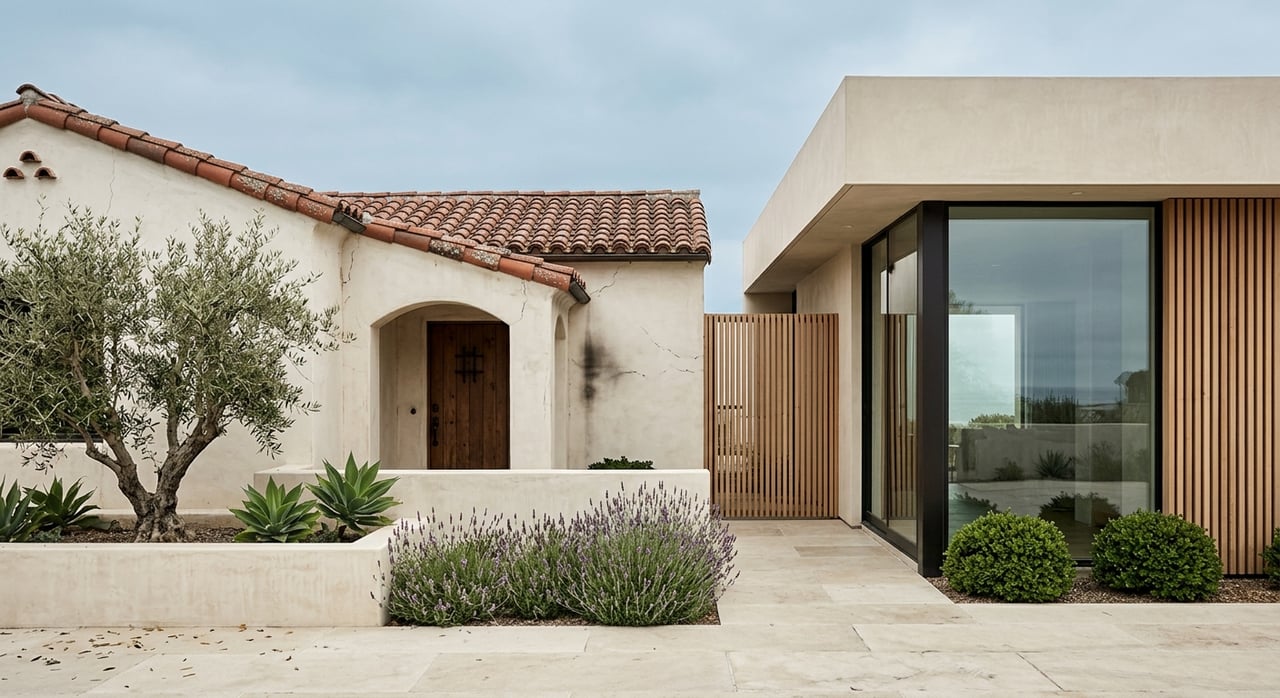
Trying to choose between a character-filled older home and a sleek new build in La Jolla? It is a common question, and in this coastal market, the answer is rarely simple. Your best choice depends on how you want to live, how much flexibility you want for future updates, and how you feel about maintenance, design, and long-term value. Let’s dive in.
La Jolla is not just another coastal neighborhood. The City of San Diego describes it as a roughly 5,700-acre community of about 32,000 residents, with rugged bluffs, canyons, and shoreline areas, and it is recognized under the California Coastal Act as a special community of regional and statewide significance.
That matters because local housing decisions often sit at the intersection of design, preservation, and coastal regulation. In other words, when you buy in La Jolla, you are not only choosing a home style. You are also choosing the kind of ownership experience that comes with it.
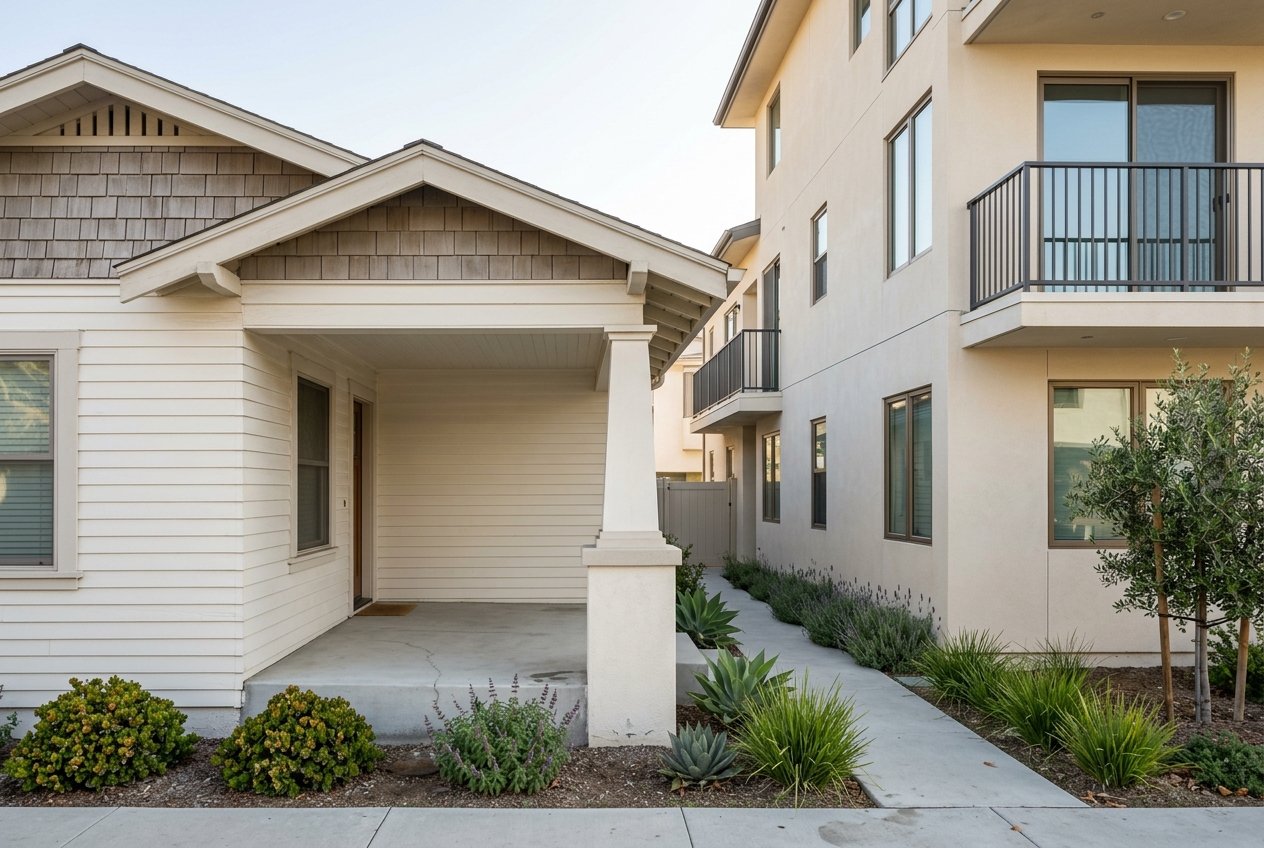
La Jolla’s architectural story is broad and layered. According to the La Jolla Historical Society, historic homes here include bungalow and beach cottages, 1920s Spanish Revival homes, and midcentury modern houses. City heritage planning materials also show how strongly La Jolla values preservation, with dozens of officially registered historic sites and design standards intended to maintain the area’s distinctive appearance and scale.
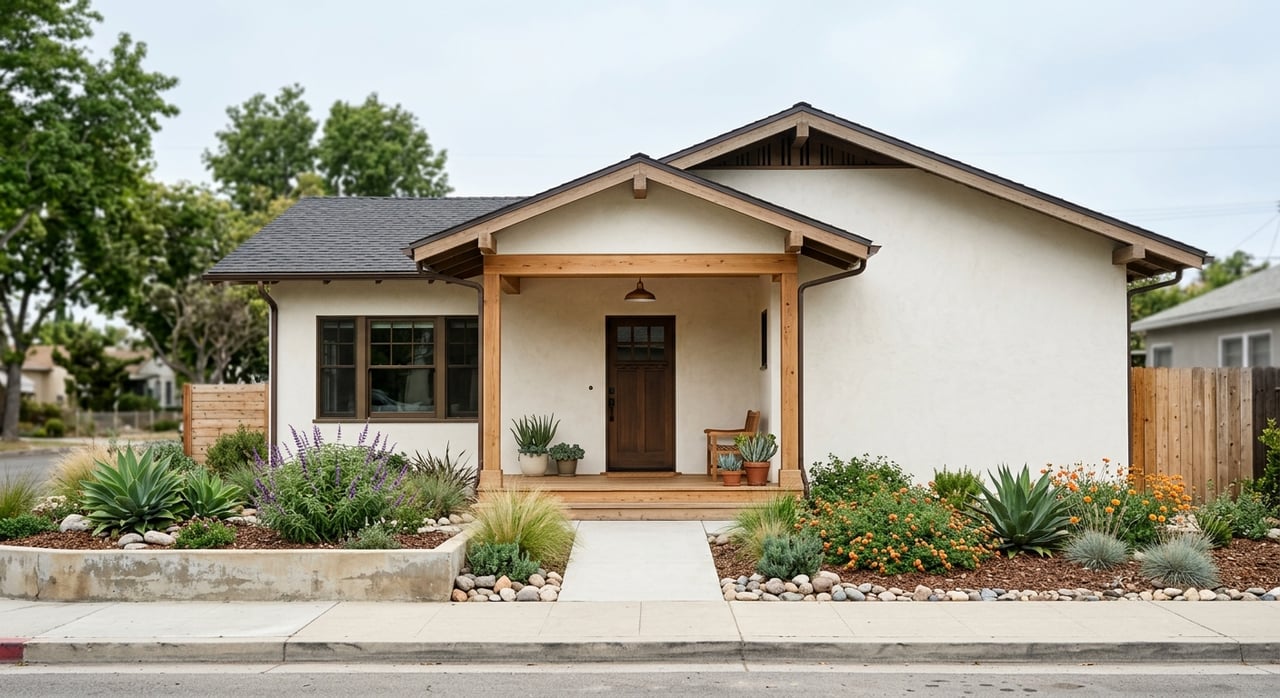
If you are drawn to charm, craftsmanship, and a strong sense of place, a historic home may feel like the obvious fit. In La Jolla, these homes often offer original architectural details, older materials, and a connection to the area’s early development that is hard to recreate in new construction.
That appeal is not just emotional. The City of San Diego notes that historic districts can support increased property values because of the desirable character and sense of place they preserve. In a market like La Jolla, where architectural identity carries real weight, that can be an important advantage.
Many older homes in La Jolla reflect styles that buyers actively seek out. You may find hand-crafted details, distinctive facades, and layouts that feel more rooted in the neighborhood’s history.
For some buyers, that uniqueness is the point. If you want a home that feels one-of-a-kind rather than newly produced, historic housing can deliver a depth of personality that is hard to match.
There can also be a financial upside for some owners. The City’s Mills Act program offers a property tax reduction incentive for owners of designated historical resources who agree to maintain and restore qualifying historic features.
That said, not every older home qualifies. The property must already be designated as a historical resource before it can apply, and the City states that Mills Act applications are accepted annually from January 1 through March 31, with prior-year designation required by December 31.
The tradeoff for charm is usually flexibility. In San Diego, buildings that are 45 years old or older must go through a historical screening process before certain permits are processed.
That does not mean every older home is officially historic. But it does mean age alone can affect your renovation timeline, your planning process, and the level of review required before work moves forward.
If a planned project may adversely affect a historical resource, San Diego may require a Site Development Permit for historical purposes. If the work does not meet the Secretary of the Interior’s Standards, the review path can become more formal.
Practically speaking, this can affect additions, exterior changes, and demolition-related decisions. If you already know you want to significantly reshape a home, this is one of the biggest issues to understand before you buy.
Historic districts may allow some modernization, but within limits. The City says contributing resources may receive some flexibility through setback rules, adaptive reuse permits, and the State Historic Building Code, while owners remain responsible for maintaining the resource under the Secretary of the Interior’s Standards and obtaining approval before maintenance, restoration, or alteration work.
You should also think through deferred maintenance. While that is not a formal regulatory standard, older homes can come with aging roofs, windows, insulation, or major systems that need attention sooner rather than later.
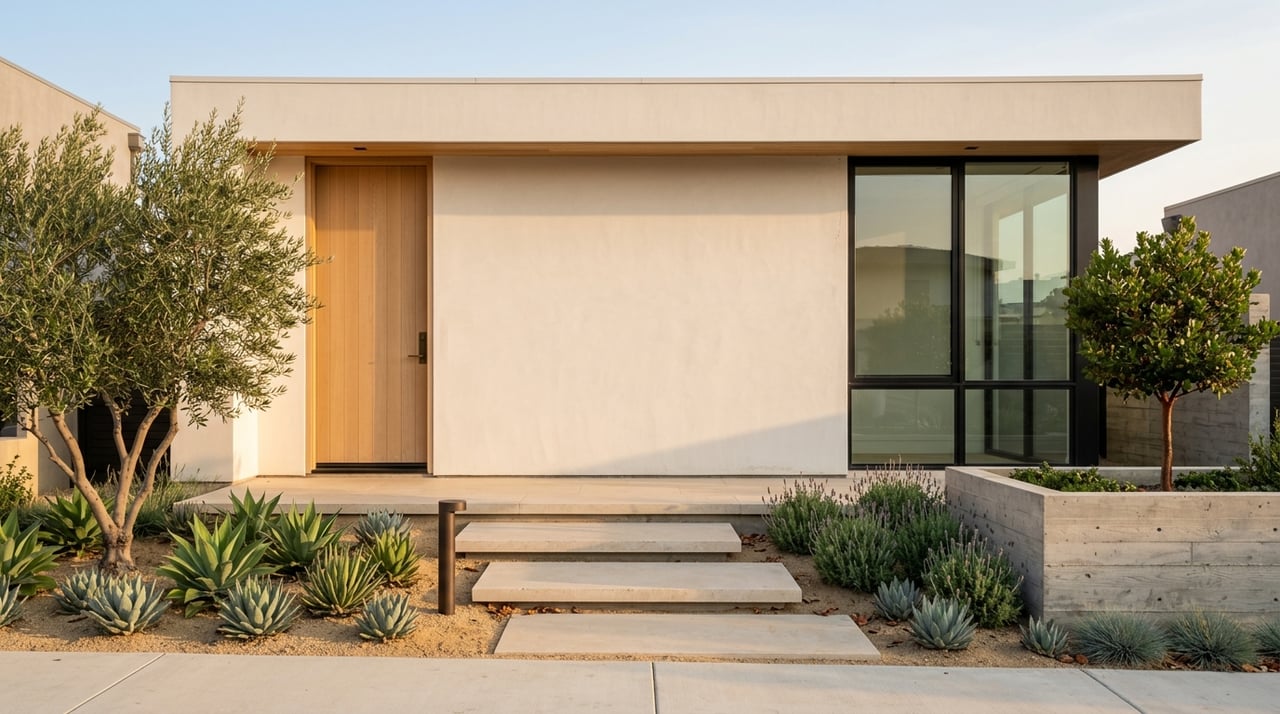
If you want contemporary design and a more predictable ownership experience, a new build may be the better match. In many cases, new construction aligns more easily with the features today’s buyers want most, such as open kitchens, larger primary suites, indoor-outdoor living, and updated electrical and HVAC systems.
In California, the 2025 Energy Code applies to newly constructed homes. For new single-family homes, the code requires solar photovoltaic systems or modules, and newly built one- and two-unit homes with electrical service over 125 amps must also be battery-energy-storage-system-ready.
Those standards shape how new homes function from day one. The California Energy Commission also notes that the solar requirement is based on climate zone and conditioned floor area, and that builders can use a performance path that allows more design flexibility if the home still meets the overall energy target.
For you as a buyer, the bigger takeaway is lifestyle. New builds are often the easier choice if you want a more turnkey home with fewer immediate retrofit needs.
Compared with older homes, new construction usually comes with less short-term uncertainty around major systems. That can be especially appealing if you want a lower-friction ownership experience or if you do not want to manage renovation decisions right away.
This does not mean a new build is always simple. It means the first phase of ownership is often more focused on settling in than on planning repairs or upgrades.
In La Jolla, even new construction can involve a complex path. The California Coastal Commission states that development within the coastal zone generally may not begin until a Coastal Development Permit has been issued.
Because La Jolla is a coastal community with added significance, redevelopment proposals may also move through local permit review, including Coastal Development Permit and Site Development Permit review. So while a finished new home may offer easier day-to-day living, creating or substantially redeveloping one in La Jolla is not necessarily fast or simple.
If you are buying land, planning a rebuild, or considering a major redevelopment opportunity, permit timing should be part of your decision. Coastal review and local development review can shape both budget and timeline.
That is why buyers comparing older homes with rebuild potential versus completed new construction should separate two questions. One is how you want to live. The other is how much process you are willing to take on before you get there.
The best choice usually comes down to your priorities. La Jolla supports both paths because buyers here value both architectural heritage and move-in-ready convenience.
If you are unsure, start by thinking less about style and more about daily life. The right home is the one that matches your tolerance for upkeep, your renovation goals, and your long-term plans.
A smart comparison starts with a few very practical questions. These can help you avoid surprises and narrow your options quickly.
Ask the seller, your agent, and any relevant local professionals about the property’s status, condition, and review requirements before you commit.
When you think ahead to resale, the key question is who your future buyer will be. Historic homes can attract buyers who care deeply about La Jolla’s preservation culture, design character, and architectural identity.
New construction tends to appeal to buyers who want convenience, efficiency, and a move-in-ready experience. Neither path is automatically better. In La Jolla, both can be strong, but they speak to different priorities.
If your heart leans toward charm, craftsmanship, and a home with a story, a historic property may be worth the extra diligence. If you want modern living, cleaner systems, and less short-term friction, a new build may be the more practical choice.
In La Jolla, the smartest move is to look beyond surface style. You want to understand what the home asks of you, what it gives back, and how well it fits the way you actually want to live.
If you are weighing older charm against modern ease in La Jolla, working with a local broker who understands both neighborhood character and the realities behind the purchase can make the decision much clearer. To talk through your options, connect with Diana DuPre.
Stay up to date on the latest real estate trends.
We are dedicated to providing the most up-to-date market data in the area. Our team is made up of caring, knowledgeable professionals that work tirelessly to help you with the home buying and selling process.